 Optical Fiber
 ADSS Fiber Optic Cable
 ASU Fiber Optic Cable
 FTTH Fiber Optic Cable
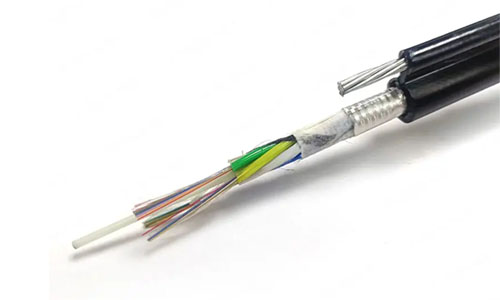 Figure 8 Fiber Optic Cable
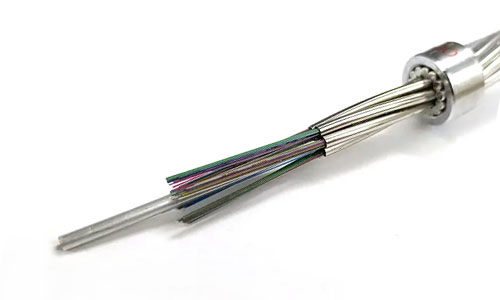 OPGW Fiber Optic Cable
 Coaxial Cable
 Ethernet Cable
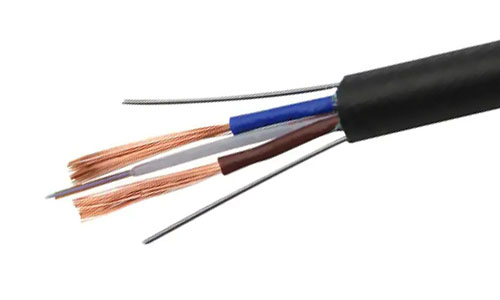 Photoelectric Composite Fiber Optic Cable
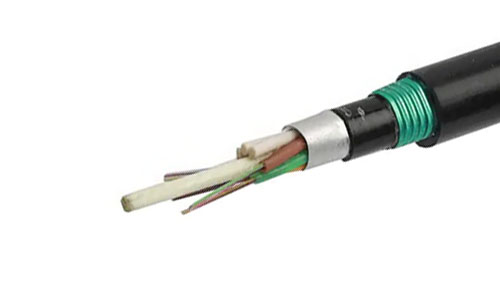 Underground & Pipeline Fiber Optic Cable
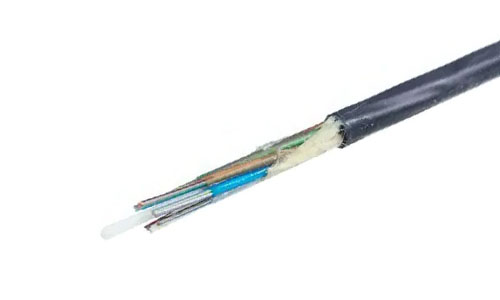 Air-Blown Micro Fiber Optic Cable
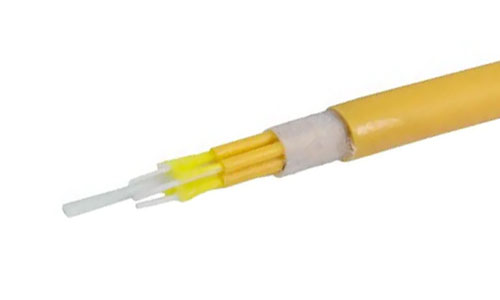 Indoor Fiber Optic Cable
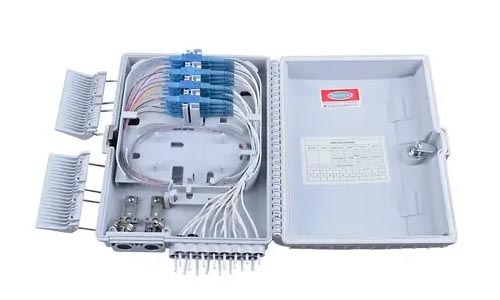 Fiber Optic Distribution Box
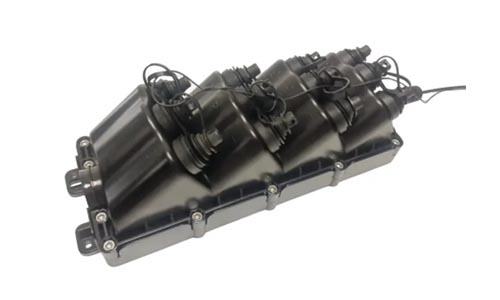 Multiport Service Termina Box
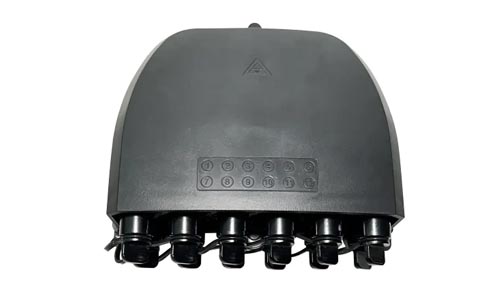 Fiber Optical Terminal Box
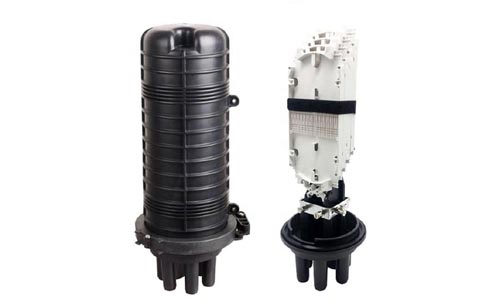 Fiber Optic Splice Closure
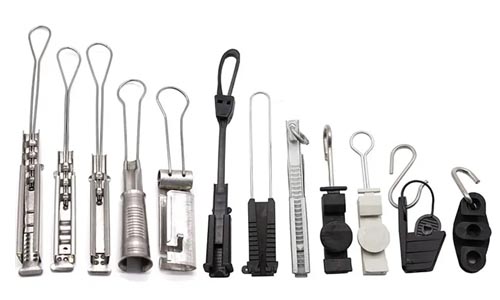 Fiber Optic Clamps
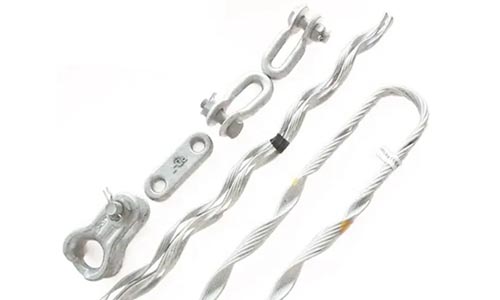 Fiber Optic Cable Fittings
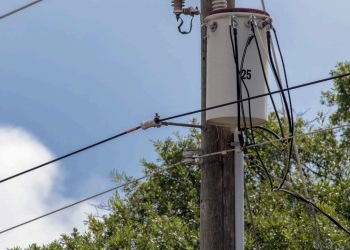 ADSS Fiber Cable
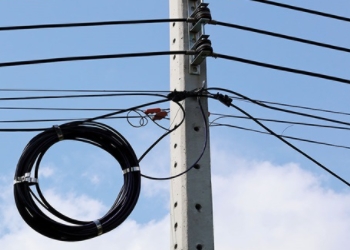 ASU Fiber Cable
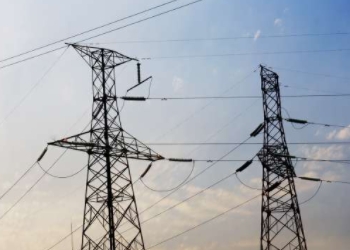 OPGW Fiber Cable
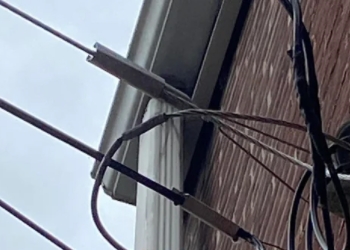 FTTH Fiber Cable
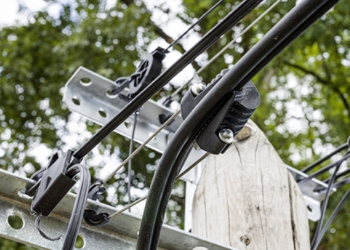 Figure 8 Fiber Cable
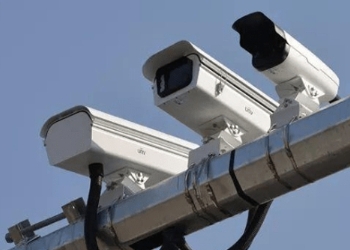 Photoelectric Composite Fiber Cable
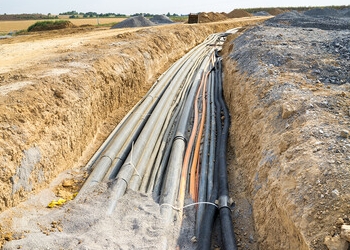 Underground & Pipeline Fiber Cable
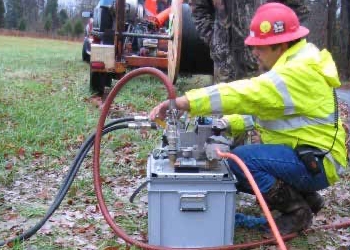 Air-Blown Micro Fiber Cable
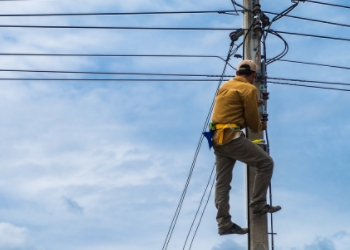 Aerial Fiber Cable
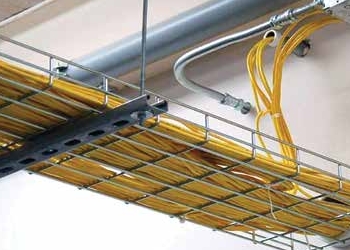 Indoor Fiber Cable
 Fiber Optical Terminal Box
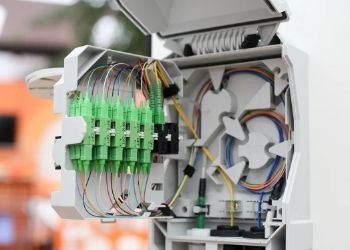 Fiber Optic Distribution Box
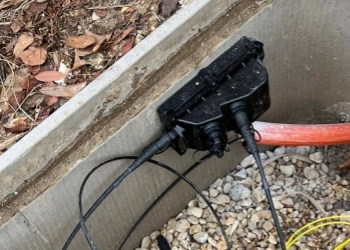 Multiport Service Termina Box
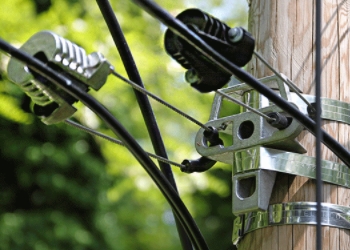 Fiber Optic Clamps
 About Us
 Our Team
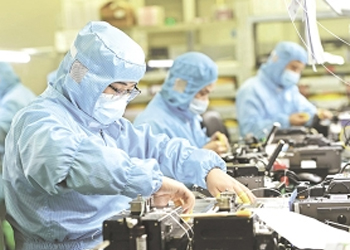 History
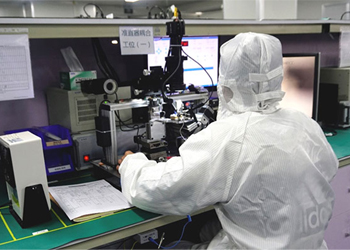 R&D Strength
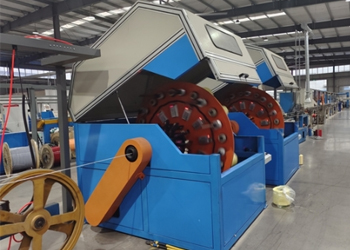 Production Base
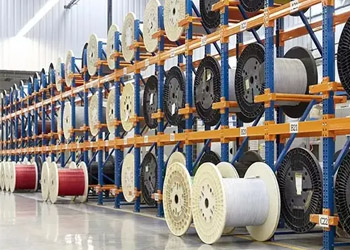 Warehouse & Logistics
 Quality
 FAQs
FAQsADSS Cable Price - Global Market Overview and Comparisons
Adss cable price usually depends on the cable length, fiber count, and the brand or supplier. Most adss cables, known as all-dielectric self-supporting cables, are employed in outdoor fiber optic networks and are priced at $0.30 to $2.00 per meter. Prices vary with additional features such as double sheath or enhanced water blocking layers. Customers usually have bulk or long runs that bring the price down to a per meter cost. Supplier selection matters, too — reputable manufacturers can ask more but offer superior quality or warranty. Knowing what influences the price of ADSS cable allows buyers to select the right cable for their specific requirements and budget. The principal body beneath will indicate what forms the cost and how to contrast alternatives.

What is an ADSS Cable?
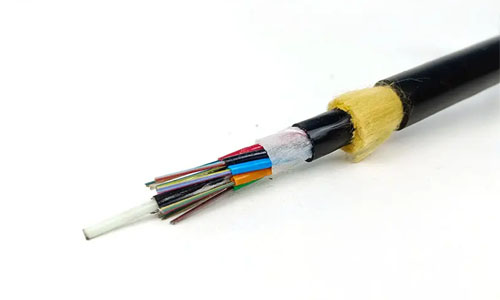
All-Dielectric Self-Supporting cable, or ADSS cable for short, is a special type of fiber optic cable designed for aerial installations with no additional supporting wires. Made from non-metallic elements, the ADSS cables have robust electrical isolation, which makes them ideal for high voltage or lightning-prone locations. Being self-supporting, they can be installed and span for as far as 700m between towers and are available in single jacket, double jacket and mini types, for short and long distances. This design lets them operate in challenging utility and telecommunications infrastructure, facilitating connections between urban and rural areas.
1. The Core
ADSS cables are designed around a core that contains the optical fibers, in some cases as many as 144 fibers in a single cable. These can be either singlemode fiber, perfect for long-distance, high-bandwidth data transmissions, or multimode fiber, better suited to shorter lengths and local networks. The principal task of the optical fibers is to transmit data at high speed and at long distances with minimum attenuation.
How the core itself is constructed determines the cable’s bandwidth and latency. Others utilize a stranded design for increased strength, while others have a central tube stuffed with fibers and water-blocking gel. This ingenious concept enhances the cable’s capacity to provide reliable, high-speed links for major undertakings or everyday web surfing.
2. The Strength
The strength in ADSS cables is derived from hard materials such as aramid yarn, which is lightweight yet strong, and sometimes additional strength members. These assist the cable withstand tension, so it doesn’t snap or droop, even when extended between tall pylons.
ADSS cables are designed to withstand wind, ice, or rain. Their design makes them secure and stable during storms or heat. High tensile strength equals less maintenance and more longevity, which keeps networks humming along without too much drama.
3. The Jacket
The jacket acts as the cable’s initial barrier to the outside world. Most commonly, it’s polyethylene or PVC, both of which protects the core from water, UV and bumps during installation. The quality and thickness of the jacket too, particularly in areas with extreme weather or abundant wildlife.
A thick, strong jacket means the cable can take a beating and keep working — naturally important for overhead lines. It aids in accident prevention, rendering the cable safer and less prone to the consequences if the unexpected occurs.
4. The Purpose
ADSS cables are typically found in telecom and utility networks as overhead fibers running along roads or power lines. Since they don’t require metal, they’re safe to use near electricity and storms. These cables are a go-to for high-speed internet as well as smart grids and renewable energy projects — linking wind or solar farms to the main grid.
With their combination of durability, security and high-speed, ADSS cables are supporting the construction of more dependable and speedier worldwide networks, even in isolated or challenging locations.

Why Choose ADSS?
ADSS cables are a great choice for aerial and OSP fiber optic cable applications. These cables exhibit a nice combination of strength, flexibility, and economy. They integrate seamlessly in both new and legacy network architectures and provide benefits to typical fiber solutions. Below are some key benefits:
-
No need for metal parts or extra support wires
-
Simple to mount, even over extended spans of up to 700 meters
-
Handles up to 144 fibers in a single cable
-
Strong waterproof performance for harsh climates
-
Full customization for span, fiber count, and jacket type
-
Competitive price and quick worldwide delivery
-
Backed by international quality certifications
Installation
ADSS cables are designed for fast, easy aerial installation. These cables don’t require additional support equipment, allowing you to hang them between poles without deploying a separate messenger wire. This allows them to be deployed more quickly and more inexpensively than most conventional fiber cables.
When crews install ADSS they disrupt less. Roads and walkways remain open. For city and rural jobs, this goes a long way in keeping daily life flowing with less hassle.
Well installed is the key to long term performance. Crews use specialized equipment to manage tension and prevent fiber abrasion. Selecting reputable brands and quality materials keeps it all rolling just right from the outset.
ADSS cable kits have comprehensive hardware, such as cable grips, dead-ends, suspension clamps. These protect the crew and they allow crews to work quicker.
Environment
They won’t rust, since they have no metal parts, and resist water, wind and ice. Quality waterproofing keeps them grounded, even in a downpour or blizzard.
Installers rely on ADSS in bustling metropolises and rural isolation. In urban areas, the cables weave between power lines and structures. In countryside locations they span large distances with minimal poles. Because they’re strong and waterproof, our cables last – even when the weather turns nasty.
It’s great to have good environmental resistance. It keeps the network humming, so business and homes remain connected. It’s why ADSS is trusted for critical infrastructure.
Application
-
Power utilities and transmission networks
-
High-speed internet for cities and rural areas
-
Smart grid and renewable energy projects
-
Industrial zones and commercial campuses
ADSS cables are essential for high-speed data transmission and reliable network connectivity. They enable smart grids by linking sensors and devices over wide areas. At solar and wind farms, ADSS connects control systems with minimal maintenance.
The cables plug into office networks, technology parks, and anywhere that requires a consistent, dependable information connection. With multiple fiber counts and lengths to choose from, they accommodate just about any requirement or project.

Decoding ADSS Cable Price
ADSS cable price fluctuates depending on a number of factors, ranging from the choice of raw materials to the volume of production. Here is a table summarizing the principal components that determine the ultimate cost.
| Factor | Description |
|---|---|
| Material Costs | Optical fibers, jackets, aramid yarn, HDPE sheath |
| Design Complexity | Fiber count, diameter, core layout, span rating |
| Production Scale | Batch size, repeat orders, manufacturer efficiency |
| Quality Certifications | Compliance with standards, testing, third-party marks |
Material Costs
These ADSS cables’ primary components — optical fibers, aramid yarn, and HDPE jackets — account for a large portion of the cost. Optical fibers maintain the signal, aramid yarn provides strength, and HDPE jackets resist harsh weather. The cost of these raw materials — like glass in case of fibers or oil derivatives in case of HDPE — can fluctuate every several months. If you purchase in bulk it can save a ton, especially for larger projects or longer spans.
Quality cables utilize superior compounds to fend off blistering sun, rain or swings from -10°C to +70°C. Or when you cheap out, it means a cable won’t hold up or won’t function properly. With copper, plastics or glass prices fluctuating, cable makers tend to change their pricing, and will often pass some of that cost on to the purchaser.
Design Complexity
More fibers—let’s say up to 144—push the price higher, because each additional fiber translates to additional materials and meticulous labor. Some cable employ a single central tube, which is simpler to handle and can maintain a lower rate for short or medium spans.
Special requirements, such as a specified tension (between 1500N and 5800 lbs) or reduced diameter (around 0.5 in), require custom materials or additional processes. That’s what makes the cable job-fitting but price-lifting. There’s always a balance: more features mean higher costs, but sometimes it’s worth it for a cable that lasts longer or fits your needs.
Production Scale
Large orders average the cost down. When the manufacturer runs tons of cable all at one time, their fixed overhead costs—like machines and labor—get amortized across more product. That’s called economies of scale. It goes a long way in keeping prices under control, particularly for projects requiring cables in volume. Vendors with consistent work tend to operate more optimized routes, reducing wait times and trimming expenditures.
A large factory with luxury capacity can handle large projects or even sudden demand spikes, maintaining short lead times and consistent pricing. Purchasing from such vendors usually translates into improved pricing and a simpler experience.
Quality Certifications
Trusted cables are certified to demonstrate that they meet rigorous standards. These badges, from trade organizations or independent labs, indicate the cable is secure and performs as advertised. Becoming certified consumes time and money but assists purchasers understand what they’re receiving. Some cables receive higher-level certifications, which can increase the price but provide comfort for demanding work or long spans.
Holding standards–such as span ratings (240 – 450 feet under NESC)–implies that the price may differ, but so does the confidence in the product.
Global Price Variations
ADSS cable prices differs from region to region. There are a lot of factors in this. These consist of demand, raw material and labor costs and local competitiveness. Asia — primarily China — delivers lower prices and fast shipping. In Europe, higher wages drive them up. Currency swings and supply chain hiccups play a major role in what customers pay.
| Region | Typical Price Range (USD/km) | Key Factors |
|---|---|---|
| Asia | $450 – $650 | Low labor costs, high output |
| Europe | $800 – $1,300 | High labor, strict rules |
| North America | $700 – $1,200 | Mixed costs, stable demand |
| Middle East | $600 – $950 | Infrastructure growth |
| Africa | $500 – $850 | Import reliance, logistics |
Regional Markets
Asia, and in particular China, is famous for inexpensive ADSS cables due to large production capacity and low labor costs. Europe, where they have high standards and labor cost, is more expensive. North American prices come in the middle, defined by consistent infrastructure projects and reputable vendors. The Middle East sees increased government investments pushing demand and prices, while Africa is more import-reliant — leading to more price fluctuations.
Local economies are important as well. A country with an expanding telecom sector will experience prices rise as demand increases. If the economy is slow, price drops, demand drops. Local vendors affect fares. In locations with multiple suppliers, competition pulls prices low.
Understanding these markets helps consumers make wiser decisions. Good idea to monitor local trends and strengths of suppliers before purchasing in bulk.
Supply Chains
So the route an ADSS cable takes from manufacturer to customer causes price differences. When cable materials—like glass fiber or protective sheaths—become more expensive on the global market, cable prices increase. Big supply chain players — from the dominant fiber makers to shipping firms — define what you pay.
It’s not cheap to ship and move cables. Long distance, customs or tricky routes can tack more onto the final price. A slick supply chain — less spoilage, smarter forecasting — can keep expenses low and prevent backorders.
Local Regulations
Regulations on the cable manufacturing or installation process can inflate costs. Other regions require specific assays or unique criteria. This translates into more expenses on design, materials or safety checks. Compliance with these standards can cost time and money, which vendors forward to the customer.
Strict regulations can bar new providers, reducing competition and driving up costs. In other parts of the world, simple regulations equal more labels and better prices. Cable purchasers should always examine local regulations to sidestep unexpected expenses.
The Total Cost of Ownership
Total cost of ownership (TCO) for ADSS cables goes beyond sticker price. It’s the total of all costs associated with the cable–from acquisition, to installation, to maintenance and repairs throughout its lifespan. TCO is important because a focus on upfront price can cause you to underestimate project budgets. When you consider every cost, you achieve a more complete vision for wiser strategizing and purchasing.
Upfront Investment
-
Cable Purchase: The first big cost is the cable itself. Price per meter can vary between $0.01-$0.10 for large projects (10,000+ meters) but small orders can exceed $0.24 per meter.
-
Specs and Quantities: Cable type, core count, and span rating all play into the price. Higher core counts special ratings = higher cost.
-
Accessories: Don’t forget hardware—connectors, splices, and fittings all add to the initial tally.
-
Bulk Discounts: Buying in bulk often drops the per-meter price, making large projects friendlier to the wallet.
Upfront budgeting is crucial. Costs can jump if you overlook details or underestimate amounts. If you plan ahead and negotiate bulk rates you can save money right from the get-go.
Installation Expenses
-
Site surveys
-
Trenching or pole mounting
-
Equipment rentals (lifts, cable pullers)
-
Labor costs
-
Safety gear
Installation isn’t simply digging or cable stringing. Labor is one of the biggest slices, particularly if experienced craftsman come at a premium. Equipment rentals stack up, as well. Careful planning helps reduce wasted time and errors. Sneaky costs can creep in if the crew cuts corners or employs inappropriate tools. Missing a step or a rush job opens the door to repairs later, which cost even more.
Long-Term Value
Good ADSS cables can outlive those cheaper alternatives and save you a fortune in repairs and swaps. Certain cables with weak jackets or minimal tensile strength, for example, may crack or otherwise fail early, resulting in unplanned outages. Durable cables mean those that stand the test of time and use — no cheap ones for us. Dependable cordage translates to easier support, less griping, and more peace of mind. The best long-term value often comes from cables that stand up to the weather and resist abrasion — in hard outdoor locations.
Smart Procurement Strategies
Smart purchasing of ADSS cable price begins with knowledge of what you really require. Each locale and project varies. When builders queue networks for a bustling city or the countryside, they encounter new policies, rates and development paths. It’s worth it to align your cable purchases with the actual needs of each project. For example, if you require cables capable of withstanding strong winds, ice, or sun. Choosing the appropriate cable for each location ensures that networks remain robust and future-ready.
A huge component of securing attractive pricing is establishing trust with your vendors. When you import from people you know and trust, it’s simple to negotiate reasonable offers. Reliable vendors can give you better pricing, more flexible terms, and even help you track down that perfect cable. In fast-moving markets, a solid partner can be the difference between stress-free builds and expensive delays. For instance, a telco conducting a 5G rollout in a new region may partner with a trusted vendor who understands the region’s regulations and can accelerate the deployment.
Bulk purchasing is another smart move. If you require a vast quantity of ADSS cables, striking a bulk deal can reduce the cost per meter. Works best for larger projects or when you’re looking to scale soon. Bulk buying lets you lock in prices, which can be useful if tariffs or costs begin to increase. For example, a network operator who wants to upgrade multiple areas simultaneously will frequently receive a discount by purchasing all their cable at once instead of by pieces.
Market research is the foundation of intelligent purchasing. Being aware of where prices are going, what new tech is on the horizon and what other buyers are doing gives you a big advantage. Research assists you in identifying trends, such as the increasing demand for robust, sustainable cables as digital adoption and 5G expand. It helps you strategize for the total cost, not just the initial sticker. This means considering install, maintenance and upgrades, so you don’t get hit with unexpected costs down the road. When you do the work to research the market, you are left with cables that fit your requirements, maintain your network integrity and don’t cost an arm and a leg.
Conclusion
ADSS cable prices fluctuate with the market. Wise selections do wonders. Prices vary depending on size, fiber count and location of purchase. Others pay extra for reinforced sheathing or weather guard. Some choose lower cost for small builds or short runs. Big projects get deals from bulk, as usual. A lot of purchasers see the total cost—installation, maintenance and longevity. A smart purchase jetsam with your requirements, not simply the big number on top. Most teams share experiences between vendors, consider alternatives, and request practical input. Looking for the best deal? Get the details, compare options, read reviews and talk to the experts. The correct prep helps ensure your next cable purchase pays off.
Frequently Asked Questions
What factors influence the price of ADSS cables?
ADSS cable prices depend on fiber count, cable length, material quality, weather resistance, and brand reputation. Installation requirements and certification standards may impact prices.
How does ADSS cable price vary globally?
ADSS cable price differ across the globe according to local labor expenses, taxation, import taxes and supplier networks. Regional demand and regulations affect price variation.
Is it cheaper to buy ADSS cables in bulk?
That’s right, wholesale ADSS cable prices. Vendors might have more favorable shipping rates on bulk orders.
What is included in the total cost of ADSS cable ownership?
It’s the purchase price, installation, maintenance and possible repair costs. Think of the long-term costs, not only the upfront price.
Can ADSS cables be used in all environments?
ADSS cables for any environment, even the toughest weather. So always review manufacturers specs to be sure the cable matches your installation conditions.
Why should I choose ADSS cables over other fiber optic cables?
ADSS cables can be simply installed on power lines without metal elements – and at low cost. They’re robust, lightweight and safe for high tension zones.
How can I reduce ADSS cable procurement costs?
Shop around–compare prices from several suppliers, bargain on volume pricing and look into local suppliers to reduce shipping charges. Look for warranties and after sales support so that you don’t end up paying later.