 Optical Fiber
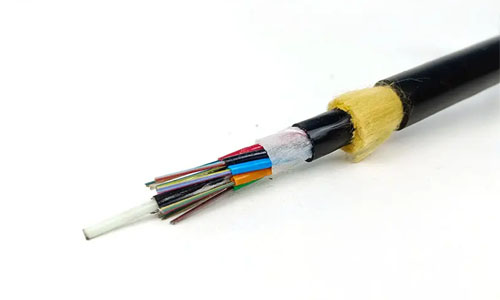 ADSS Fiber Optic Cable
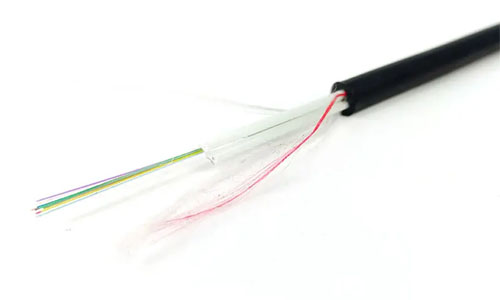 ASU Fiber Optic Cable
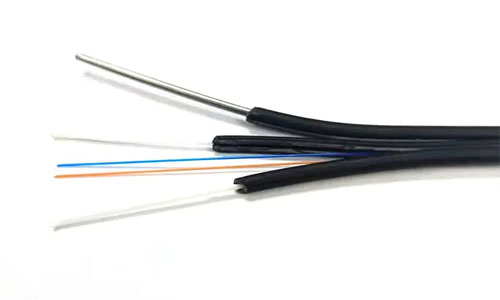 FTTH Fiber Optic Cable
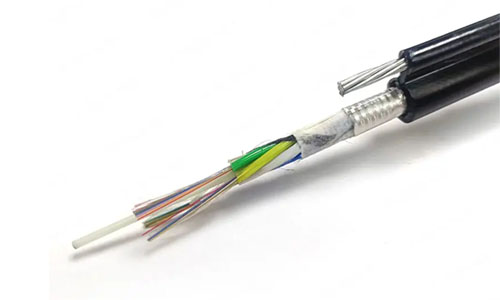 Figure 8 Fiber Optic Cable
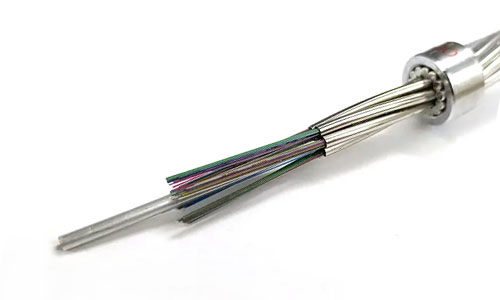 OPGW Fiber Optic Cable
 Coaxial Cable
 Ethernet Cable
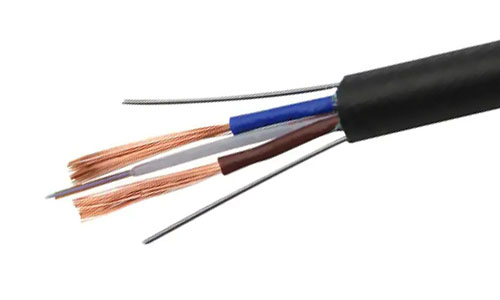 Photoelectric Composite Fiber Optic Cable
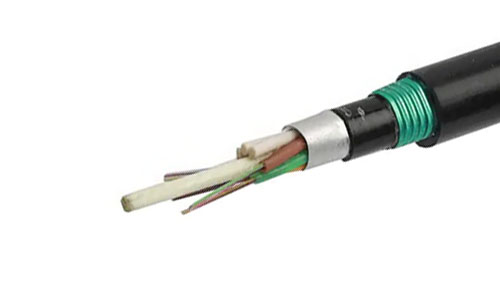 Underground & Pipeline Fiber Optic Cable
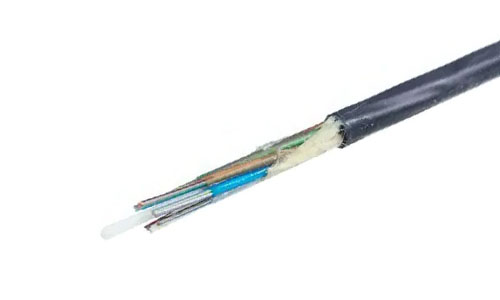 Air-Blown Micro Fiber Optic Cable
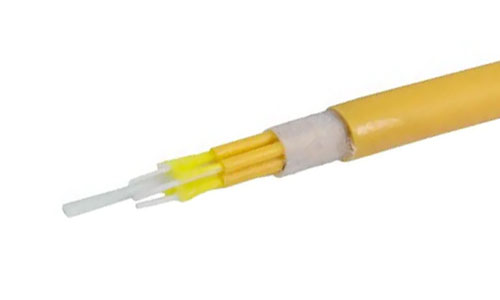 Indoor Fiber Optic Cable
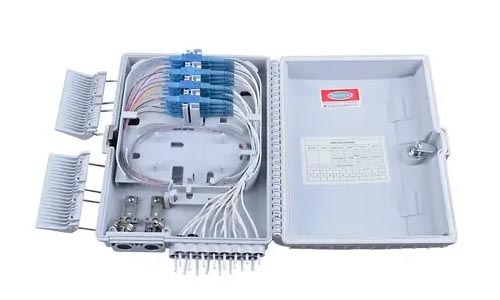 Fiber Optic Distribution Box
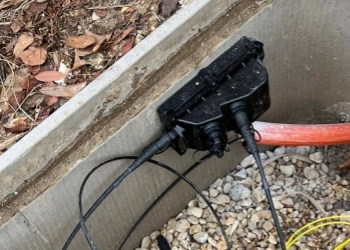
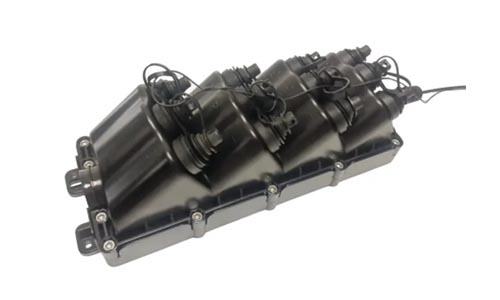 Multiport Service Termina Box
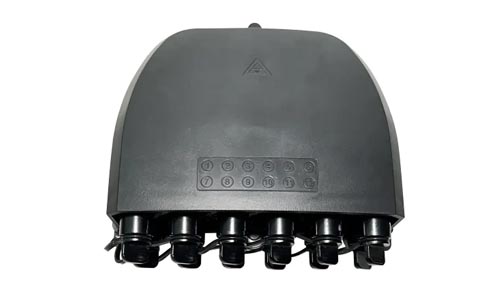 Fiber Optical Terminal Box
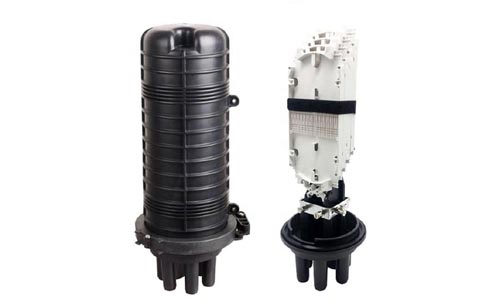 Fiber Optic Splice Closure
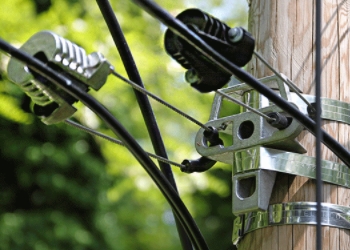
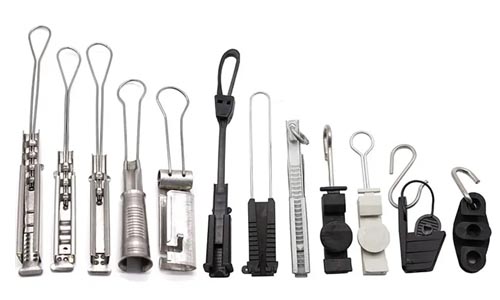 Fiber Optic Clamps
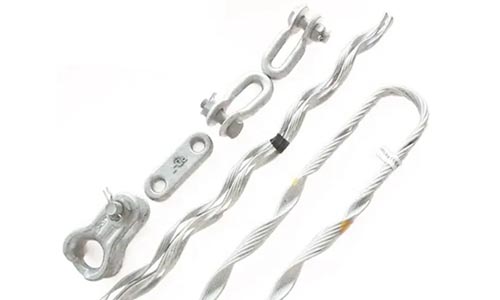 Fiber Optic Cable Fittings
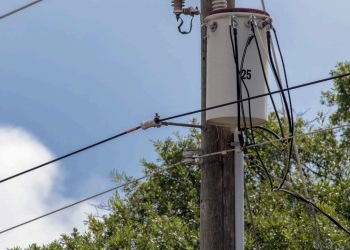 ADSS Fiber Cable
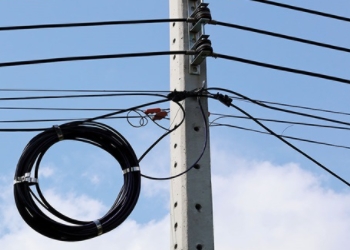 ASU Fiber Cable
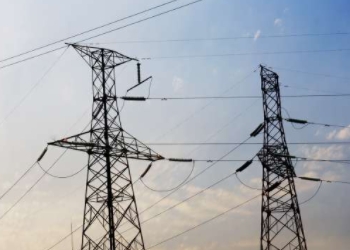 OPGW Fiber Cable
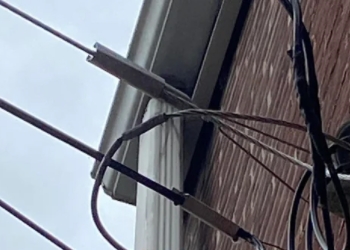 FTTH Fiber Cable
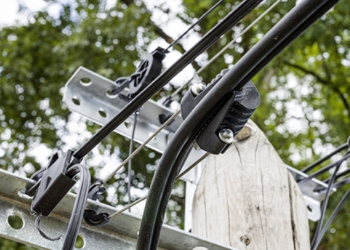 Figure 8 Fiber Cable
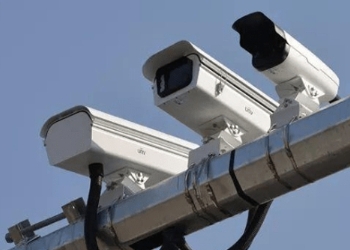 Photoelectric Composite Fiber Cable
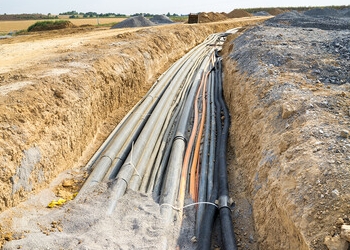 Underground & Pipeline Fiber Cable
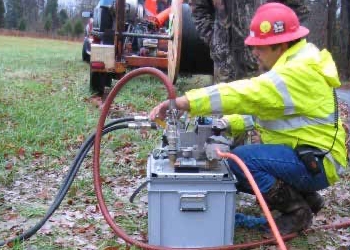 Air-Blown Micro Fiber Cable
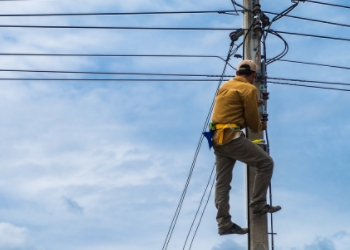 Aerial Fiber Cable
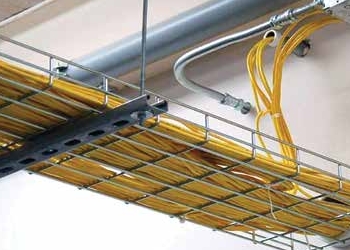 Indoor Fiber Cable
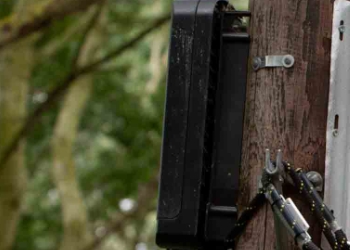 Fiber Optical Terminal Box
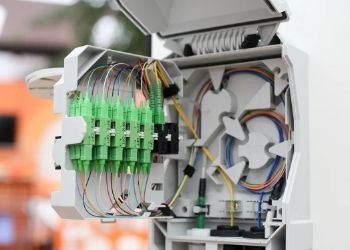 Fiber Optic Distribution Box
 Multiport Service Termina Box
 Fiber Optic Clamps
 About Us
 Our Team
 History
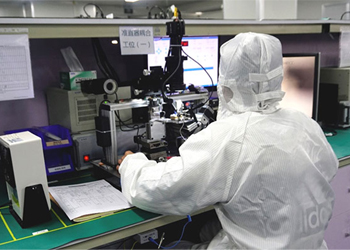 R&D Strength
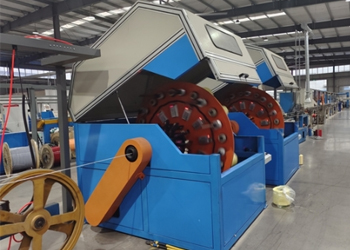 Production Base
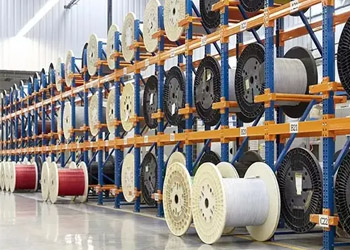 Warehouse & Logistics
 Quality
 FAQs
FAQsADSS Cable Installation
Contact us for more sample, According to your needs, customize for you.
inquiry nowADSS Cable Installation
ADSS cable is installed 10 ft to 20 ft (3m to 6m) below the phase conductors. Grounded armor rod assemblies support the fiber-optic cable at each supporting structure. Utilities have reported failures of ADSS installed on their high voltage lines. The high electric field on transmission lines generates continuous corona discharge at the end of supporting armor rods. This discharge leads to cable deterioration. In polluted environments, dry band arcing causes cable deterioration when fog or dew occasionally wet the cable. ADSS life expectancy on power lines depends on the following factors:
Electrical
Corona effect
Dry-Band arcing
Space potential effect
Mechanical
Span length and sag
Tension on cables
Environmental
Wind velocity and Aeolian vibration
Sheath composition for UV resistance (UV from the sun)
Pollution & temperature
All Dielectric Self Supporting (ADSS) fiber optic cables are located in high electric fields. Their sheath can be subjected to dry band arcing and corona especially in highly polluted areas with little rainfall where there is regularly high conductivity precipitation on the cable and it is rarely cleaned by natural rainwater.cleaned by natural rainwater.
Corona or dry-band arcing puncture the cable sheath allowing water penetration leading to destruction of the aramide yarn and exposing the PBT tubes that contain the optical fibers. In more severe cases a massive reduction of mechanical strength can even lead to cable dropping.

Corona Effect
Corona discharge is expected in locations with local high electrical fields caused by sharp edges, for example, at the tips of armor-rod assemblies of transmission lines conductors. Armor rod assemblies are attached to transmission line structures, support cables, provide mechanical strength protecting them from bending and also ground the cables. Depending on the placement of the cable with respect to the high voltage conductors, the conductor’s voltage and the pollution on the cable surface can induce current to flow along the cable. This gives rise to corona, micro-sparking and dry band arcing, especially near the tower where the e-field is greatest. The local partial discharge processes involves the emission of UV and the creation of ozone and other acids, reagents that erode the galvanized conductors and the ADSS sheath.
Dry-band Arcing
Even though ADSS cables are electrically non-conductive, contamination that accumulates on their outer sheath can turn them into being conductive. When the layer of pollution gets unevenly wet it becomes semi-conductive. Most cases of failing ADSS occurred in highly polluted areas or in coastal areas. The wind from the sea drives saltwater droplets onto the fiber-optic-cable surface, covering the cable with a thin layer of salt. Fog or dew wets the pollution layer and forms a conductive layer on the cable surface. Capacitive coupling between the phase conductors and fiber-optic cable induces current along the wet pollution layer. This current dries the layer and forms small dry bands. The dry band interrupts the current and generates high voltage across the band. This voltage produces arcs. The heating effect of the arc extends the dry-band length, which stops the arcing. However, condensation and wind-driven saltwater from the sea wet the cable and re-initiate the arcing. Dry-band arcing is a periodic phenomenon that occurs when the cable is simultaneously wet and polluted.
The higher the contamination and moisture, the higher the induced current thus, in subtropical areas, dry-band arcing as well as corona are especially harmful due to the specific climate conditions: an eight- to nine-month dry period followed by a shorter rainy period in winter. The cable surface pollution layer after the dry period is hard and adhesive, and particularly thick in the regions nearing clamps causing a serious corona problem.
Utilities should look for tests procedures for evaluating ADSS fiber optic cables installed on overhead power lines. Organizations such as IEEE, WAPA, EPRI, BPA, Washington State University and others keep on studying this issue.