 Optical Fiber
 ADSS Fiber Optic Cable
 ASU Fiber Optic Cable
 FTTH Fiber Optic Cable
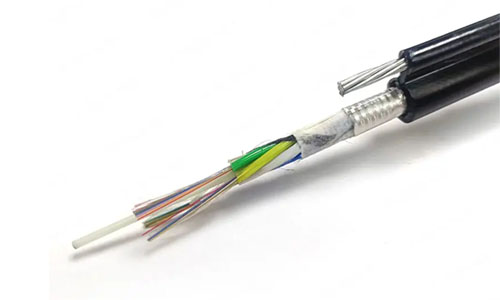 Figure 8 Fiber Optic Cable
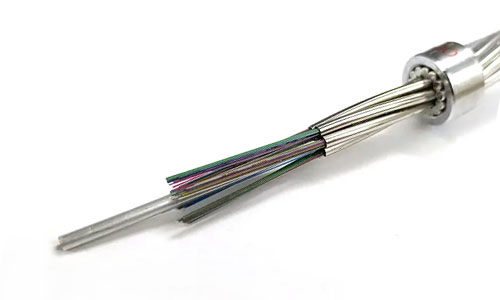 OPGW Fiber Optic Cable
 Coaxial Cable
 Ethernet Cable
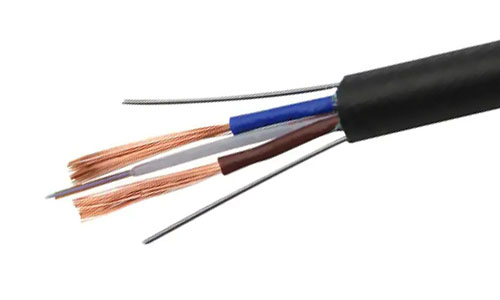 Photoelectric Composite Fiber Optic Cable
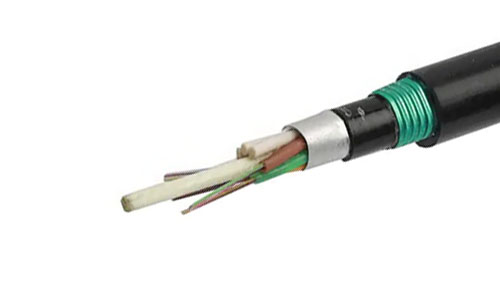 Underground & Pipeline Fiber Optic Cable
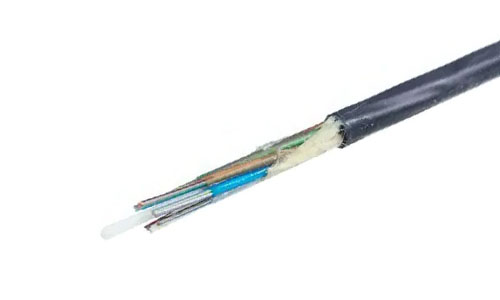 Air-Blown Micro Fiber Optic Cable
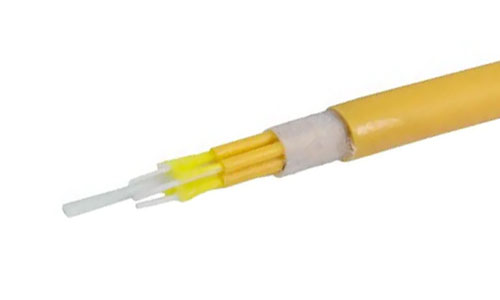 Indoor Fiber Optic Cable
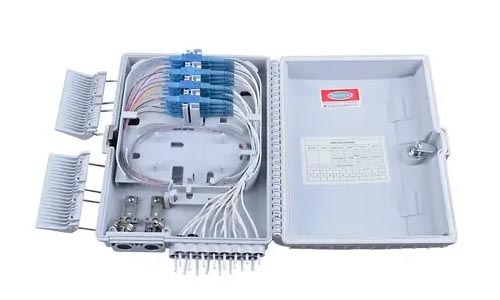 Fiber Optic Distribution Box
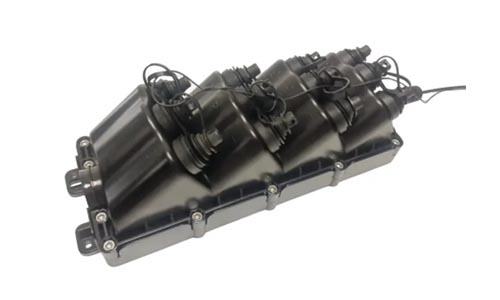 Multiport Service Termina Box
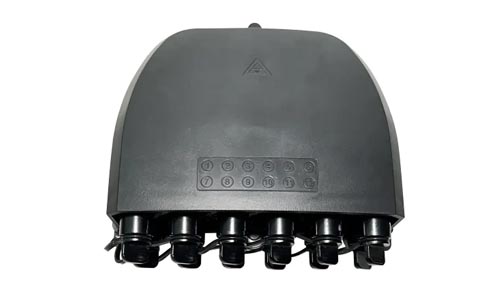 Fiber Optical Terminal Box
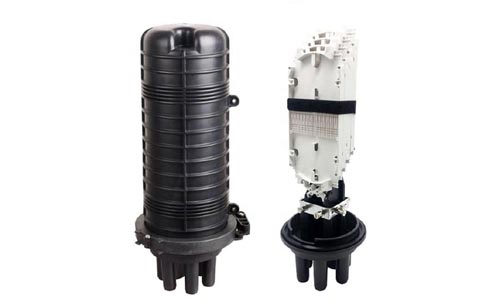 Fiber Optic Splice Closure
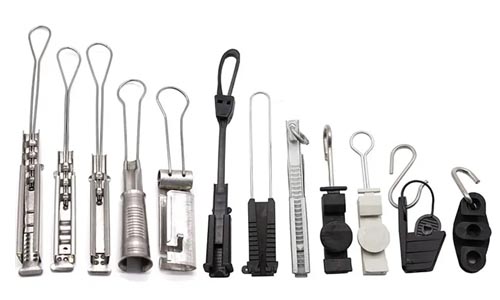 Fiber Optic Clamps
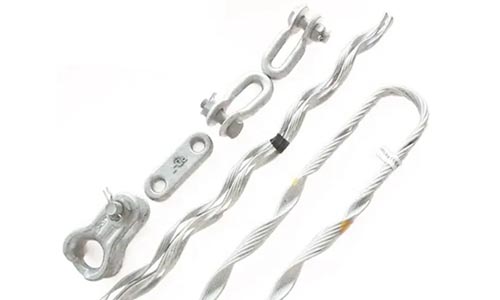 Fiber Optic Cable Fittings
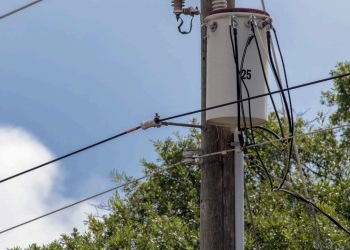 ADSS Fiber Cable
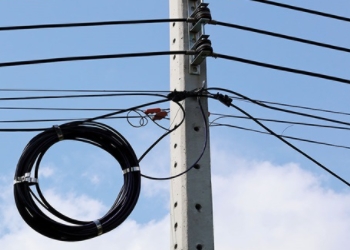 ASU Fiber Cable
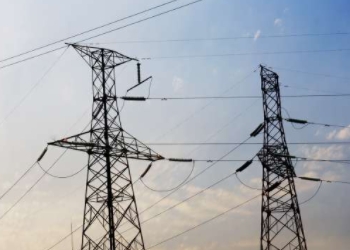 OPGW Fiber Cable
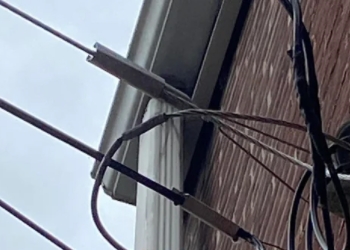 FTTH Fiber Cable
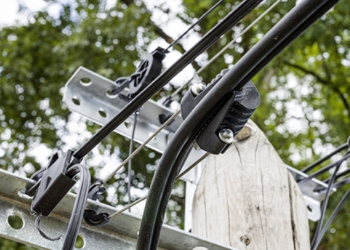 Figure 8 Fiber Cable
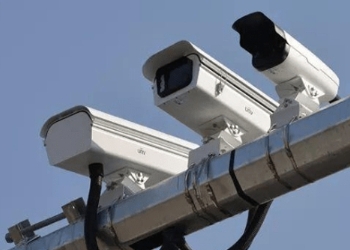 Photoelectric Composite Fiber Cable
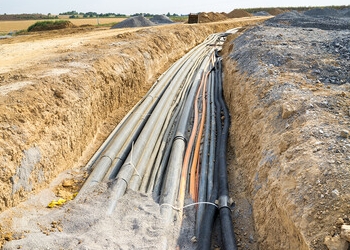 Underground & Pipeline Fiber Cable
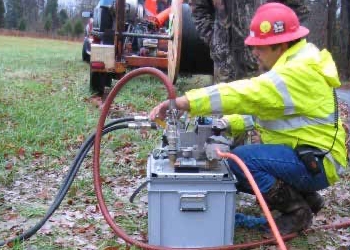 Air-Blown Micro Fiber Cable
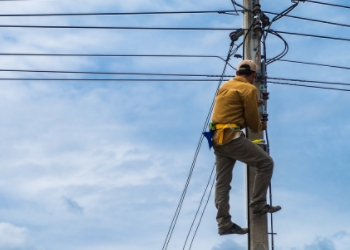 Aerial Fiber Cable
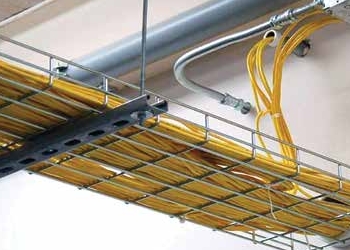 Indoor Fiber Cable
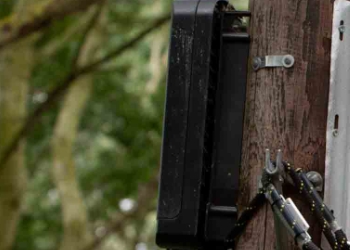 Fiber Optical Terminal Box
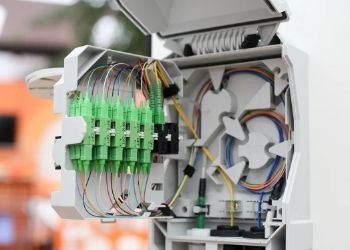 Fiber Optic Distribution Box
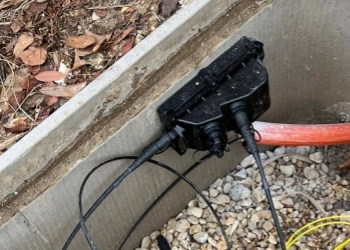 Multiport Service Termina Box
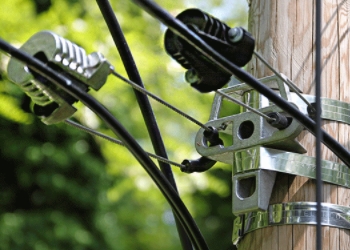 Fiber Optic Clamps
 About Us
 Our Team
 History
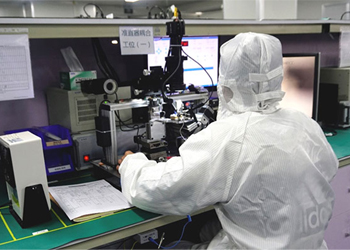 R&D Strength
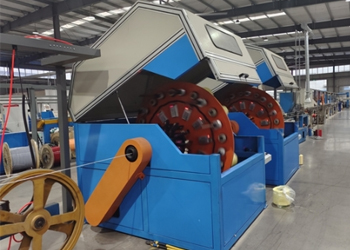 Production Base
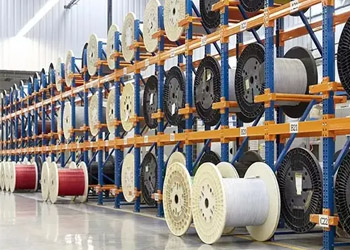 Warehouse & Logistics
 Quality
 FAQs
FAQsADSS Cable Accessories for Telecommunications Infrastructure
ADSS cable accessories are parts and tools made for All-Dielectric Self-Supporting (ADSS) fiber optic cables. These accessories serve to support, splice, and protect cables in a power line or telecom network. Typical examples are clamps, suspension sets, vibration dampers, and protection sleeves. They save your cables from the wind, rain, and bends that can cause signal loss or breakage. Installers use these components to ensure the cable is suspended correctly and remains stable for years. Reliable ADSS accessories reduce repair expenses and minimize downtime. To determine which accessory is the right fit, most of us consult what cable type we’re working with and the local weather. Read below to see how to choose and use them the correct way.

Why ADSS Cable Accessories Matter
These tiny but mighty devices, such as opgw accessories, ensure cables continue functioning beautifully even in wind, rain, heat, or snow. Today, where lightning speed and reliable internet service are a requirement, one loose connector or bent cable can be a bottleneck. ADSS cable accessories prevent these migraines by keeping cables secure, preventing dust and water ingress, and ensuring light transmissions flow without interruptions or fractures. By utilizing quality optical fiber cables, users can enhance their connectivity experience.
ADSS cable accessories are crucial in protecting fiber cables from damage. Optical cables transmit information via light, so even a slight kink or a speck of grime can disrupt the transmission. Strain relief boots protect the cable ends, and outdoor junction boxes keep water and bugs out. Suspension assemblies and tension assemblies keep cables taut between poles, ensuring that wind or ice does not dislodge or break them. If cables are left to hang loose, they rub, twist, or sag, causing signal loss or even total failure. The good news is that with the right accessories, these problems are simple to sidestep.
The right ADSS cable accessories translate into less money and time wasted repairing broken lines. When cables are protected from the get-go, they endure longer, so crews don’t have to replace them as much. Good parts, like quality tension assemblies or durable optical termination boxes, are more expensive at the time of sale but reduce maintenance and minimize network outages. Fewer breakdowns mean less risk of data loss or sluggish speeds, which makes users and network owners alike smile, especially when using reliable opgw cable solutions.
We offer various styles of ADSS cables. Central tube and loose tube designs all require a specific type of accessory to suit and function appropriately. Wrong parts can leave openings or weak areas, allowing dust or water to enter. When the match is right, cables stay clean and strong, and the whole system works better, proving the importance of selecting the correct accessories for optimal performance.
Essential ADSS Cable Accessories
ADSS cable accessories, such as tension clamps and lead clamps, aren’t an afterthought — they’re the foundation for secure, streamlined cable deployments. These components assist optical cables in remaining taut, resisting wind, and continuing to perform for decades, ensuring fewer hassles and improved cable lifespan regardless of construction site or conditions.
1. Suspension Clamps
Suspension clamps support ADSS cables and prevent them from sagging. They function by gripping the cable at predetermined locations and accommodate diameters ranging from 8 to 20 mm. Since most are either aluminum or stainless steel, they don’t rust and last a long time outside. Some feature polymer inserts for extra grip.
Their form and construction allow them to mount to various poles, including round, square, wood, or even metal. Selecting the appropriate clamp, matched to cable size and pole style, keeps cables stationary and prevents rapid wear.
2. Tension Clamps
Tension clamps securely maintain cable tension, preventing slack that causes abrasion or snapping. Preformed types spiral on and dead-end for various configurations. When you put them on properly, they distribute the tension along the cable, reducing strain at a single point.
If clamps don’t fit right or are too tight, you can damage the cable or lose tension. Always verify fit and observe best installation practices.
3. Vibration Dampers
Vibration dampers reduce ‘aeolian vibration’, a technical term that means they prevent cables from vibrating in the wind. Spiral, Stockbridge and wedge dampers are used for different wind levels. In gusty locations, dampers are required or the cable can fatigue in a hurry.
So you will want to place them where the cable gets the most wind. Spacing and size vary based on cable and local weather.
4. Optical Splice Closures
Splice closures protect fiber splices from rain, dust, and sun. Quality ones are sealed tight, provide UV stability for 25 plus years, and conform to the cable’s profile. Put them in and it’s seal, lock, and leak twice check.
Fit closure to cable size and type. This keeps fibers flowing and minimizes downtime.
5. Down-lead Clamps
Down-lead clamps secure cables to poles, preventing movement. Most utilize stainless steel or rugged polymers for longevity. These are placed close to nodes or where cables drop to equipment.
Put them on straight, with no twist or tension. They’re a minor piece, but without them, cables can slide or get pinched, resulting in major repairs.
Critical Installation Procedures
Installing ADSS cable accessories is more than a task; it’s a painstaking process that requires both expertise and patience. Each step in the process reduces the risk of cable damage and keeps the entire system operating smoothly for years.
Take a pre-installation checklist approach. Before you even put your fingers on the cable, look at the drum. Pry up any nails and remove rocks, tools, or other debris from around the pay-off stand, as even small items can gouge or abrade the cable. When dealing with the ADSS drum, keep in mind that it is best to roll it only short distances, never more than 5 meters at a time, and always in the direction of the arrow on the drum. Keep it in a dry, unhumid area, and avoid extreme temperatures that are too hot or too cold for the cable.
Access to the appropriate tools makes all the difference. You’re going to need some manual pulling ropes, and have these ropes broken up by drum length. Swivels are essential for connecting the ropes. For poles and towers, use pulleys with a diameter above 600 mm, and verify that the pulley’s groove is lined with a soft material, such as rubber or nylon, in order to prevent the cable from spinning or excessive rubbing. Its tensioner and puller must work smoothly, with a semi-circular groove at least half as deep as the cable’s diameter. Don’t gloss over the brakes and safety locks.
Trust me, do what the mfg says. The hardware you use needs to match cable size and anticipated load. Tag each one distinctly and keep them separated to prevent confusion. Failing to follow these steps can mean you end up with the wrong hardware or even worse, a failed cable run.
When it comes to the actual laying of the cable, never allow it to scrape the ground or impact trees, houses, or the drum edge. If you can’t get the job done in one day, use special clamps to secure both the cable and the ropes overnight. This prevents sagging or additional tension that can damage a new cable.
Environmental Stress Factors
ADSS cable accessories encounter a significant amount of environmental stress. Wind, ice, sunlight, and temperature fluctuations all challenge their durability and architecture. Knowing these factors helps when selecting the appropriate accessories and increases safety and performance. Periodic environmental audits identify hazards before they become actual issues. Smarter decisions and cautious routines maintain wires flowing heavy even when the elements are harsh.
Adapt installation practices by:
-
Wind dampers and secure clamps in high wind zones.
-
Choosing UV-resistant materials in regions with strong sunlight.
-
Installing ice guards where freezing is common.
-
Giving cables some extra slack in areas with large temperature fluctuations.
-
Scheduling regular checks after storms or heatwaves.
Wind Loads
High winds can topple and stir ADSS cables, on occasion blowing them miles away from their usual route. In time, this to-and-fro motion erodes the cable and its supports. The longer the span, the higher the wind pressure becomes. In storm-prone areas, wind can break fittings or disconnect cables.
| Accessory Type | How It Helps with Wind Loads |
|---|---|
| Vibration dampers | Slow cable motion from wind |
| Spacer dampers | Keep cables spaced evenly |
| Suspension clamps | Hold cable steady at supports |
| Armor rods | Protect cable at points of stress |
For this reason, vibration dampers and spacer dampers are frequently used in combination. Suspension clamps and armor rods inject even greater resilience.
In really windy locations, be sure to verify that all cables are snug but not overly taut. Environmental stress factors include using dampers on long spans. Be sure that clamps grab the cable firmly, but do not pinch it.
Ice Accretion
| Strategy | Purpose |
|---|---|
| Use ice-resistant clamps | Support extra weight from ice |
| Heated cable accessories | Help melt ice buildup |
| Regular inspections | Spot problems early |
| Install ice guards | Block ice from forming in key spots |
Ice can accumulate quickly in winter, adding a significant amount of weight. This additional burden strains not only the wiring but the connectors. Industrial strength clamps and supports keep the line secure when the weather gets ugly. Heated accessories or ice guards can assist in frequently freezing areas.
Check cables post-storm. Inspect for sagging or bowed hardware. Address issues immediately or risk greater harm.
UV Degradation
Outdoor cables bake for years in the sun. UV rays deteriorate plastic and rubber so they crack or fade. UV-resistant materials are great; accessories made from them last longer and don’t turn brittle as fast. When covers or clamps start to look chalky or discolor, it’s time for a closer inspection.
Buy accessories that specify UV resistance. If you notice flaking, deep cracks, or rigid sections, arrange a replacement. Shade or enclosures are helpful, but most outdoor cables require extra-tough coatings.
Temperature Extremes
Extreme heat and cold will cause cables and accessories to expand or contract. In summer, they swell; in winter, they shrink. If materials can’t resist this, they can tear or slip loose. Choose things that can bend without losing their clutch.
Cross arms, so weather can move cable. When installing, leave a little slack. Where there are large temperature variations, inspect for loose connections and ensure that nothing is being stretched too tight or left dangling too loosely.
Proactive Maintenance Strategies
A proactive maintenance strategy for opgw accessories is about anticipating issues, not just repairing them after they appear. This method employs regular inspections, innovative technology, and collaborative crew work to maintain optimal operations, reduce expenses, and extend the lifespan of cables. Maintenance teams leverage sensors and data tools to identify problems before they create downtime. In settings where equipment uptime is paramount, such as power lines, telecom, or factories, this mindset shift from "fix it when it breaks" to "keep it from breaking" pays dividends. It not only saves money but also keeps folks and assets safe.
A key component of proactive maintenance is checking cable accessories frequently. Periodic inspections pick up the early wear indicators, such as cracked housing, loose fittings, and corrosion, before they become more serious. For instance, if you notice a minor variation in clamp tension or some moisture around a splice case, you can address it with minimal expense instead of waiting until it becomes a much more expensive repair. With simple tools and occasionally intelligent sensors, teams can monitor changes over time. Predictive analytics, which is software that looks for patterns in how equipment acts, helps plan fixes before failure. This isn’t just theory: studies show that organizations using these tools see fewer failures and spend less on repairs, particularly with fiber optic cables.
Scheduled maintenance ensures that cable accessories remain in optimal condition, despite inclement weather or urban environments. Here’s a simple schedule to follow:
-
Inspect cable attachments and fittings every 6 months
-
Test tension and alignment of cables once a year
-
Check moisture levels in splice cases every 6 months
-
Replace worn seals and fasteners as needed
-
Clean cable surfaces and fittings during each inspection
-
Review sensor data and update maintenance logs regularly
Proper documentation allows teams to reflect on what was effective, which helps make each subsequent round of checks more clever and targeted. In time, this habit helps train new employees and encourages more cross-departmental teamwork, ultimately enhancing the overall performance of the maintenance strategy.
Future-Proofing Network Hardware
Choosing ADSS cable accessories the right way is the secret for anyone who desires a future-proof network. In our current high velocity digital culture, downtime is not only inconvenient, it’s potentially costly. ADSS cables have no metal, so they don’t rust, and they can last more than 20 years. You still need to check the jacket every five years or so since the sun can wear it down. For all of you out there operating networks in sunny locations, here’s something to think about. ADSS cables shine in projects requiring long-distance runs, such as cross-country telecom or rural broadband deployments. They don’t require repeaters, and that eliminates cost and hassles.
Modular accessories, including various opgw accessories, make it simple to swap out or expand your network. Consider splice closures or brackets that snap on and off without needing special tools. If 5G comes to your city or your business expands, you can easily add more cables or replace hardware. Modular hardware means you don’t need to discard your whole setup when adding a new fiber line or transitioning to smart grids. This flexibility is especially beneficial in environments where networks need to be future-proofed to stay compatible with new technologies, like smart cities or massive data centers.
Investing in high-quality hardware upfront can save you money in the long run. While inexpensive components may seem cost-effective initially, repairs and downtime can quickly add up. Superior ADSS accessories, such as UV-stable cable ties and durable tension clamps, optimize performance for extended operation and reduce maintenance. Fewer site visits and a more reliable network occur rain or shine, regardless of how the cables are installed.
Keeping up with new gear is equally vital. Read trade magazines, join global forums, and talk with suppliers who know what’s coming next. Most vendors provide white papers or case studies that demonstrate how new accessories perform in real scenarios. For instance, certain new ADSS clamps account for cable sag, which keeps lines tight as networks mature. Being informed allows you to schedule an upgrade before minor issues become major ones.
Conclusion
Super cable work requires more than just strong wires. ADSS cable accessories really fill in the gaps. These components protect cables from wind, sun, and rain. When it comes to co-existence with the elements and time, basic hardware like clamps, joints, and hangers stand up. Intelligent maintenance reduces outages and keeps the wheels turning. Innovations in cable gear keep lines efficient and fast. TG2 crews that inspect, adjust, and exchange components experience fewer faults and downtime. Every tool, every step, contributes actual value. To maintain your network potent, review your cable equipment and anticipate fresh requirements. Begin with the little things—replace old expansion joints, test clamps, or evaluate new hangers. Quality equipment today protects your wires tomorrow. Keep your network crisp and cool.
Frequently Asked Questions
What are ADSS cable accessories?
ADSS cable accessories, including various types of tension clamps and supporting components, are essential for protecting and connecting All-Dielectric Self-Supporting (ADSS) cables in overhead power and communication networks.
Why are proper ADSS cable accessories important?
The right opgw accessories ensure the cable is installed securely, protected from environmental stress, and performs reliably over the years, lowering maintenance expenses and network outages.
What are the most common ADSS cable accessories?
The accessories we provide the most include suspension clamps, tension clamps, and various opgw accessories like vibration dampers and cable joints, which play a crucial role in cable installation and protection!
How do environmental factors affect ADSS cable accessories?
Wind, rain, ice, and UV exposure can stress optical fiber cables and accessories. Top opgw accessories protect the cable and keep the network optimized under shifting weather conditions.
What is the role of maintenance for ADSS cable accessories?
Frequent upkeep allows for early discovery of wear or damage to your OPGW accessories and cables, keeping them safe, reliable, and efficient, which ultimately lengthens network life.
How can I future-proof my ADSS cable hardware?
Use quality, compatible opgw accessories and install them according to best practices to enhance performance and future-proof your network.
Are ADSS cable accessories standardized?
Yes, most ADSS cable accessories, including various types of opgw accessories, conform to international standards, ensuring reliability and safety across networks worldwide.