
 Optical Fiber
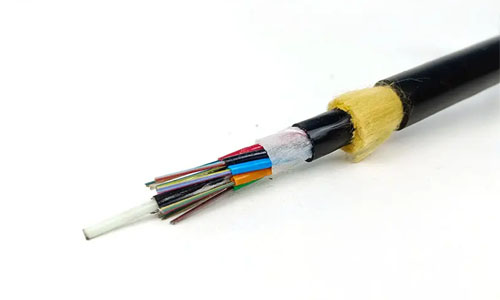 ADSS Fiber Optic Cable
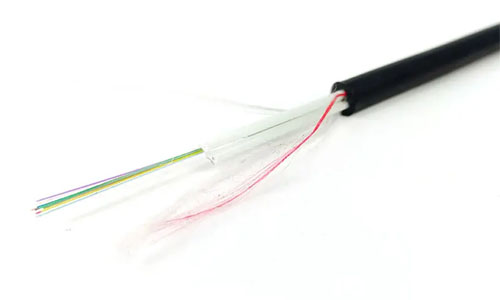 ASU Fiber Optic Cable
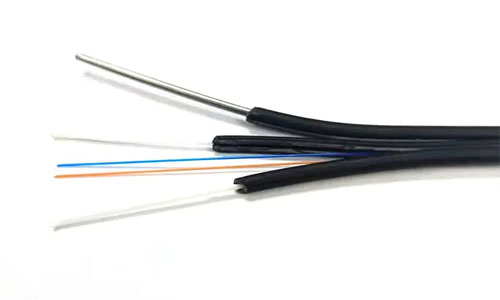 FTTH Fiber Optic Cable
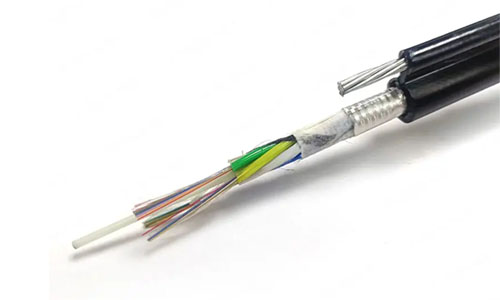 Figure 8 Fiber Optic Cable
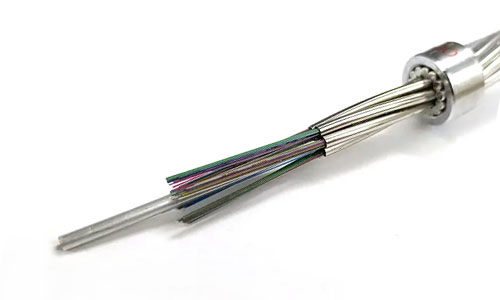 OPGW Fiber Optic Cable
 Coaxial Cable
 Ethernet Cable
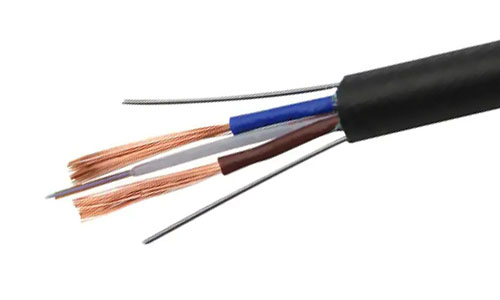 Photoelectric Composite Fiber Optic Cable
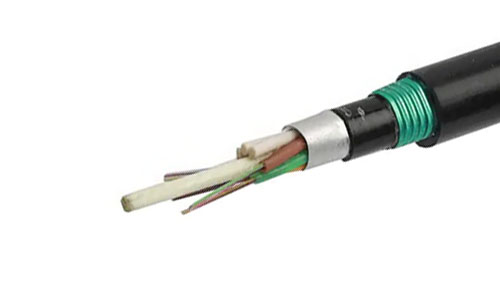 Underground & Pipeline Fiber Optic Cable
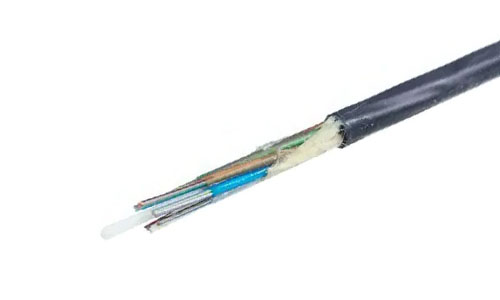 Air-Blown Micro Fiber Optic Cable
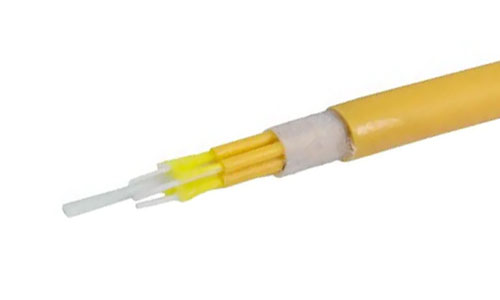 Indoor Fiber Optic Cable
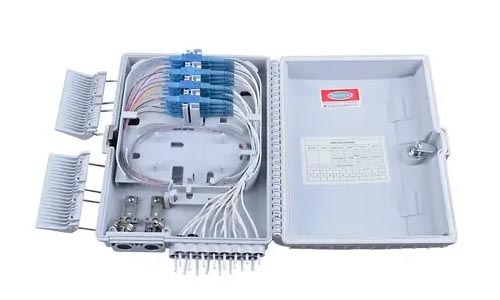 Fiber Optic Distribution Box
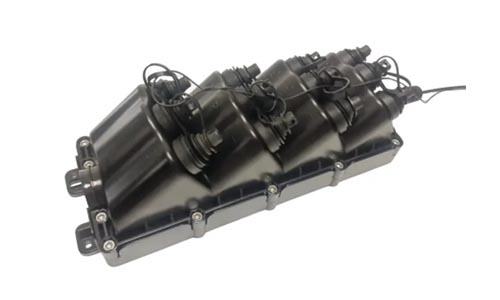 Multiport Service Termina Box
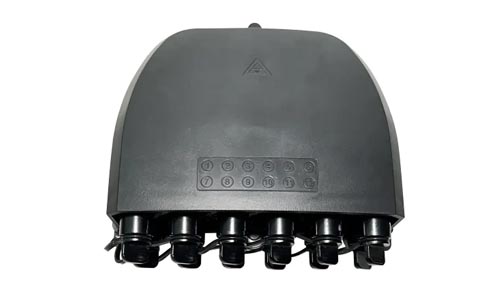 Fiber Optical Terminal Box
 Fiber Optic Splice Closure
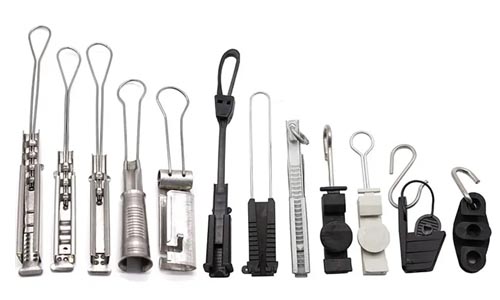 Fiber Optic Clamps
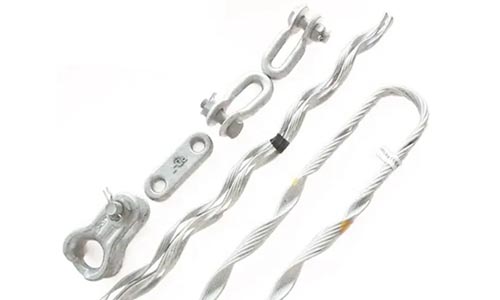 Fiber Optic Cable Fittings
 ADSS Fiber Cable
 ASU Fiber Cable
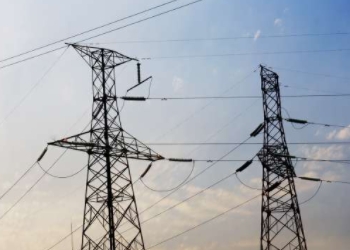 OPGW Fiber Cable
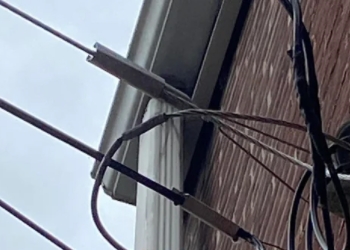 FTTH Fiber Cable
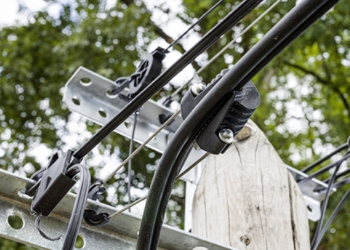 Figure 8 Fiber Cable
 Photoelectric Composite Fiber Cable
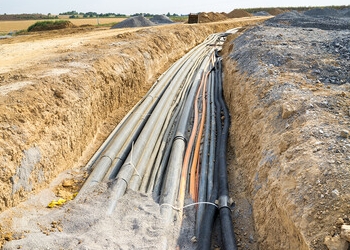 Underground & Pipeline Fiber Cable
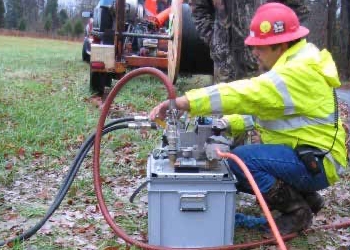 Air-Blown Micro Fiber Cable
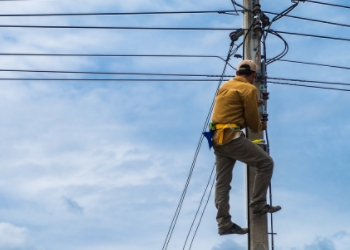 Aerial Fiber Cable
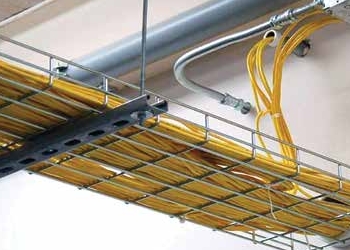 Indoor Fiber Cable
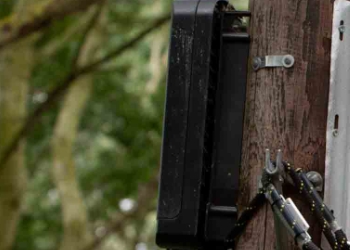 Fiber Optical Terminal Box
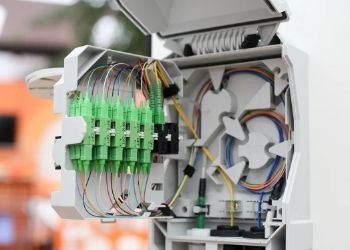 Fiber Optic Distribution Box
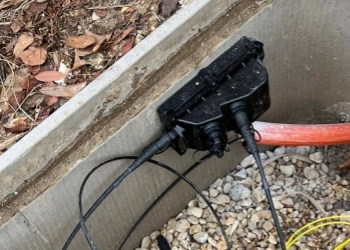 Multiport Service Termina Box
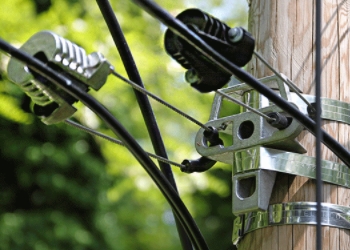 Fiber Optic Clamps
 About Us
 Our Team
 History
 R&D Strength
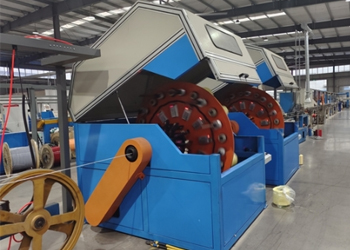 Production Base
 Warehouse & Logistics
 Quality
 FAQs
FAQsA Quick Guide to Optical Network Terminal (ONT)
inquiry nowA Quick Guide to Optical Network Terminal (ONT)
I need to create a quick guide to an Optical Network Terminal (ONT). Let me start by recalling what an ONT is. From what I remember, it's a device used in fiber-optic networks, right? It's usually installed at the customer's premises. But wait, how is it different from a modem or a router? Hmm, modems are for DSL or cable, converting those signals to Ethernet, while ONTs handle fiber-optic signals. So the ONT converts the optical signal from the fiber into electrical signals that devices can use.

I should structure the guide with sections. Maybe start with an overview explaining what an ONT is and its role. Then differentiate it from ONU (Optical Network Unit). Wait, ONU might be part of a different architecture, like in some PON (Passive Optical Network) setups where ONU is used in multi-tenant environments, while ONT is for single users. But maybe that's too technical for a quick guide. Maybe just mention that ONT is customer-located, part of FTTH (Fiber to the Home).
Next, key functions. The primary function is converting optical to electrical. Then, maybe it handles data, voice, video services. Some ONTs have multiple ports for Ethernet, phone (VoIP), maybe even TV if it's IPTV. Also, they might support power over Ethernet (PoE), but not sure if that's common. Also, management features like remote diagnostics by the ISP.
Installation steps. How is an ONT typically installed? Installed by the ISP technician, right? They mount it on a wall or shelf. Then connect the fiber cable to the ONT. Then connect Ethernet to the router, phone lines to telephone jacks, maybe a backup battery for power outages. Then activation by the ISP. Post-installation, the customer connects their router to the ONT's Ethernet port.
Troubleshooting tips. Common issues: no power, check connections, check if the fiber cable is intact (don't bend it too much). If internet is down, maybe reboot ONT and router. Check indicator lights. Contact ISP if issues persist.
Safety and maintenance. Don't touch fiber connectors, keep vents clear, secure physical location. Maybe avoid water, dust, etc.
FAQs. Can I move the ONT? Probably not without ISP involvement. Difference between ONT and modem? ONT is for fiber, modem for other types. Battery backup purpose? For phone service during outages. Using own router with ONT? Usually yes, connect to Ethernet port.
I need to make sure the information is accurate. Let me verify some points. ONT vs ONU: ONT is indeed for FTTH, ONU might be used in FTTB (Building) but the distinction might not be necessary here. Functions: conversion, multiple service support, remote management. Installation by ISP, correct. Troubleshooting: lights, rebooting. Safety: fiber is fragile, don't bend.
Wait, ONTs usually require a separate router for Wi-Fi, unless it's a combo device. So the guide should mention connecting a router to the ONT. Also, some ONTs have built-in Wi-Fi? Maybe in some cases, but typically they are separate. Need to clarify that.
Also, the backup battery is for voice services, as IP phones need power, unlike traditional landlines. So during a power outage, the battery keeps the ONT and phone working.
I think that's a solid outline. Now structure it into sections with clear headings, bullet points where appropriate. Keep it concise for a quick guide.
A Quick Guide to Optical Network Terminal (ONT)
1. Overview
-
What is an ONT?
A device installed at your premises (e.g., home/office) in fiber-optic networks. Converts optical signals from fiber cables into electrical signals for internet, voice, and TV services. -
ONT vs. Modem/Router
-
Modem: Used for DSL/cable; ONT is fiber-specific.
-
Router: Distributes Wi-Fi/Ethernet; often separate from ONT but can be integrated.
-
2. Key Functions
-
Converts fiber-optic light signals to electrical data.
-
Supports multiple services: Broadband, VoIP (phone), IPTV.
-
Provides Ethernet, phone, and sometimes coaxial ports.
-
Enables remote ISP management (diagnostics, updates).
3. Installation Basics
-
Professional Setup: Installed by ISP technician.
-
Steps:
-
Mount ONT (wall/shelf).
-
Connect fiber cable to ONT’s optical port.
-
Link Ethernet port to router/Wi-Fi device.
-
Plug phones into VoIP ports (if applicable).
-
Attach backup battery (for voice service during outages).
-
ISP activates/service tests.
-
4. Troubleshooting Tips
-
No Power: Check connections, power outlet, and backup battery.
-
No Internet:
-
Reboot ONT/router.
-
Inspect fiber cable for damage (avoid bends/kinks).
-
-
Indicator Lights: Refer to manual (e.g., solid green = normal, red = fault).
-
Contact ISP if issues persist.
5. Safety & Maintenance
-
Do Not touch fiber connectors (fragile; risk of damage).
-
Ensure proper ventilation (clear vents).
-
Secure location (away from water/dust).
6. FAQs
-
Can I move the ONT? No—relocation requires ISP reconfiguration.
-
ONT vs. Modem: ONT is fiber-specific; modems handle DSL/cable.
-
Battery Purpose: Powers voice service during outages.
-
Use My Own Router? Yes—connect to ONT’s Ethernet port.
7. Pro Tips
-
Label ONT ports for easy identification.
-
Regularly check battery health (if applicable).
-
Keep ISP contact info handy for support.
This guide simplifies ONT setup and usage, ensuring efficient fiber network management. Always consult your ISP for specific details. 🌐🔌