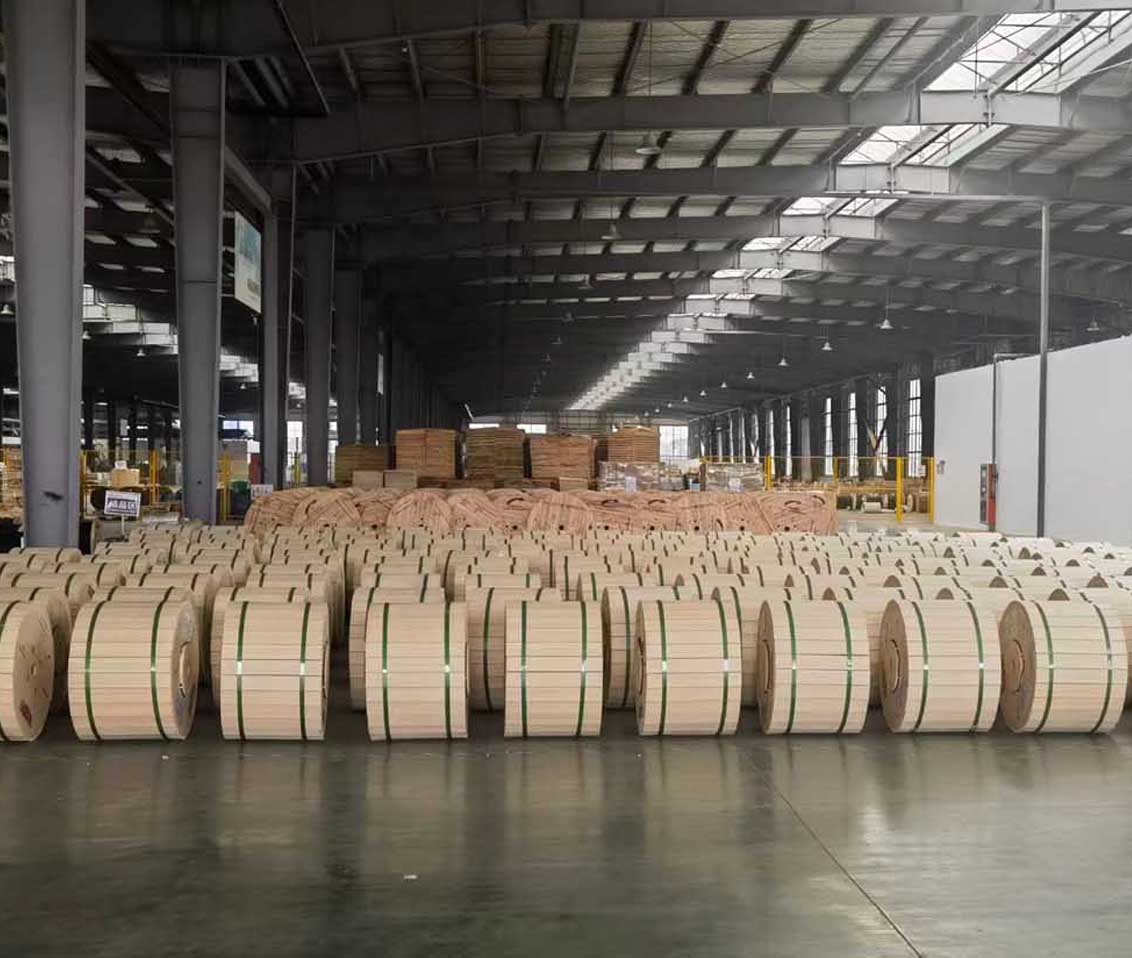
 Optical Fiber
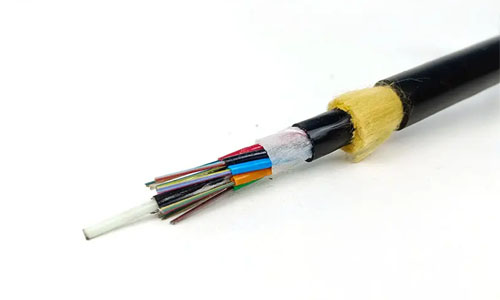 ADSS Fiber Optic Cable
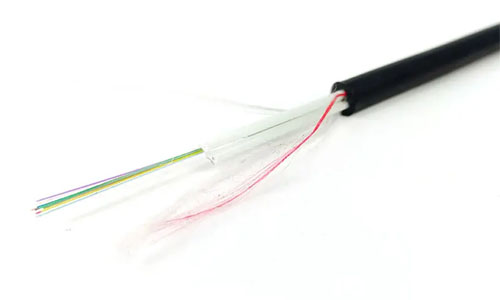 ASU Fiber Optic Cable
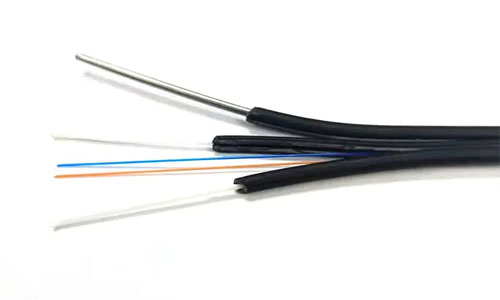 FTTH Fiber Optic Cable
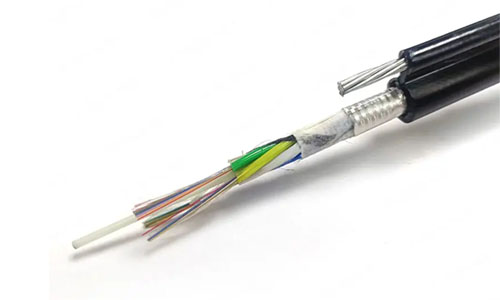 Figure 8 Fiber Optic Cable
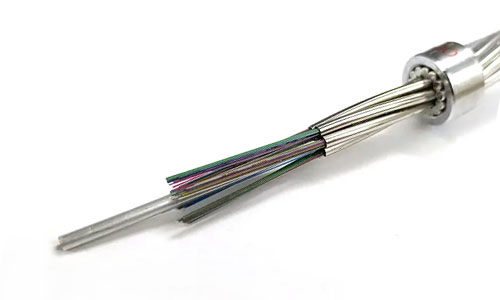 OPGW Fiber Optic Cable
 Coaxial Cable
 Ethernet Cable
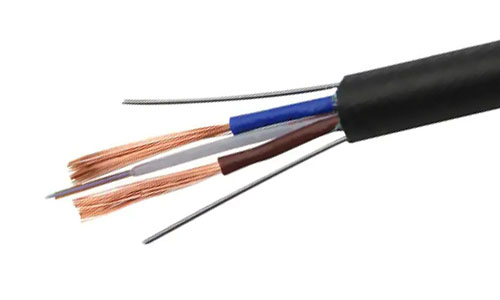 Photoelectric Composite Fiber Optic Cable
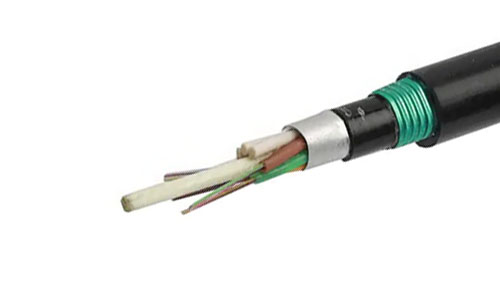 Underground & Pipeline Fiber Optic Cable
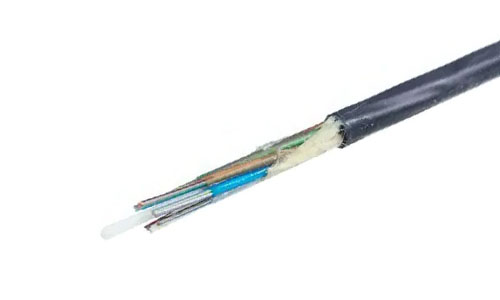 Air-Blown Micro Fiber Optic Cable
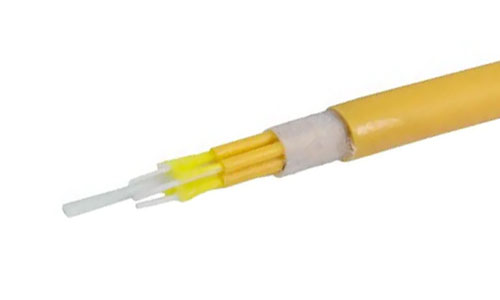 Indoor Fiber Optic Cable
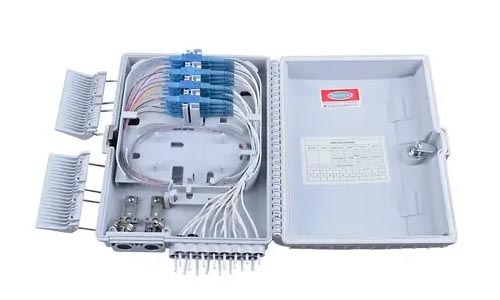 Fiber Optic Distribution Box
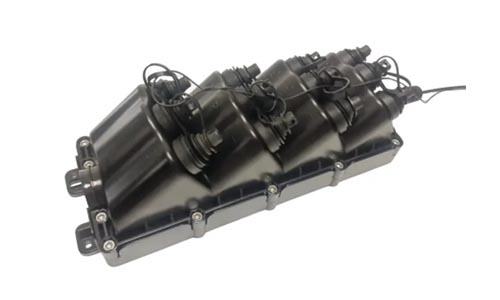 Multiport Service Termina Box
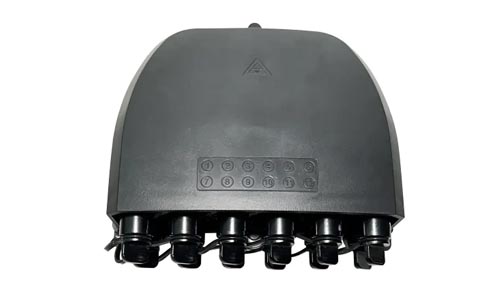 Fiber Optical Terminal Box
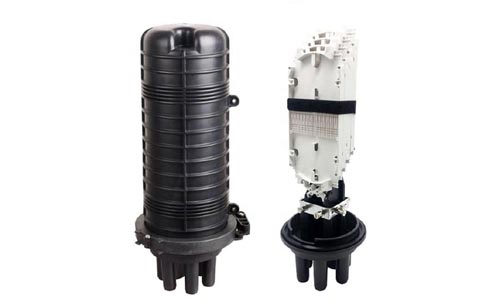 Fiber Optic Splice Closure
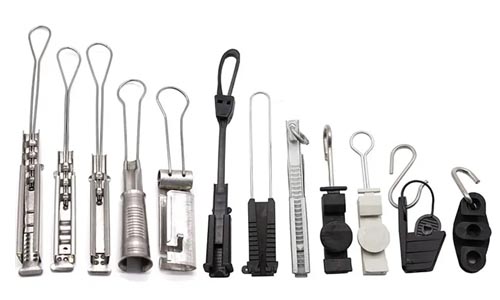 Fiber Optic Clamps
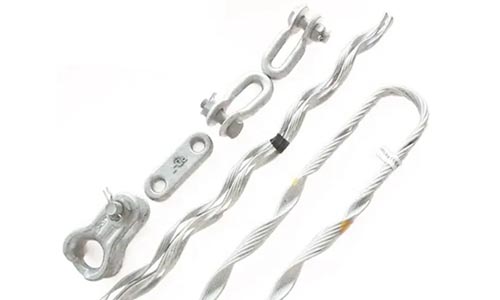 Fiber Optic Cable Fittings
 ADSS Fiber Cable
 ASU Fiber Cable
 OPGW Fiber Cable
 FTTH Fiber Cable
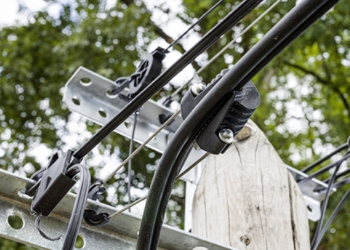 Figure 8 Fiber Cable
 Photoelectric Composite Fiber Cable
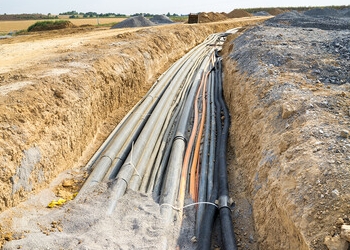 Underground & Pipeline Fiber Cable
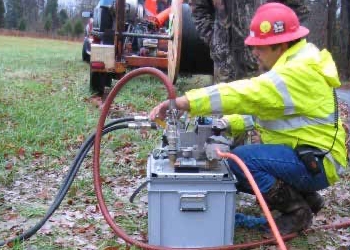 Air-Blown Micro Fiber Cable
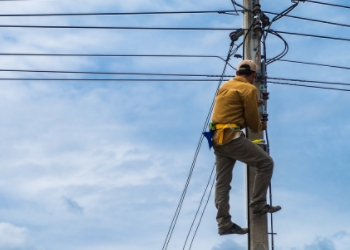 Aerial Fiber Cable
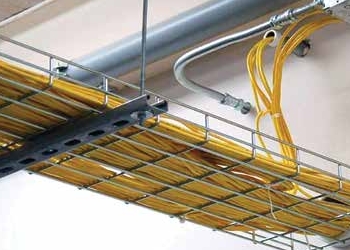 Indoor Fiber Cable
 Fiber Optical Terminal Box
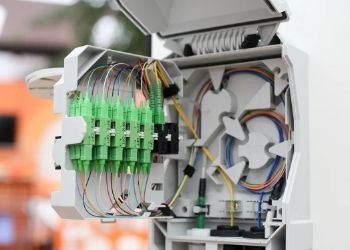 Fiber Optic Distribution Box
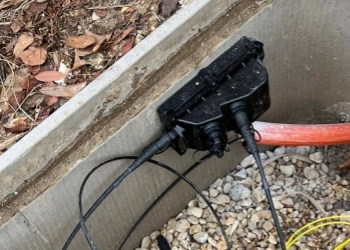 Multiport Service Termina Box
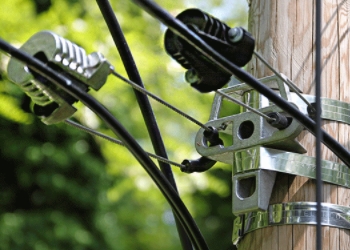 Fiber Optic Clamps
 About Us
 Our Team
 History
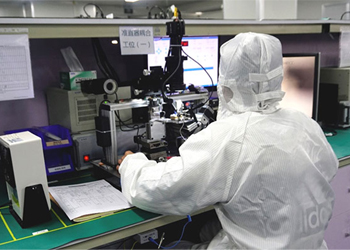 R&D Strength
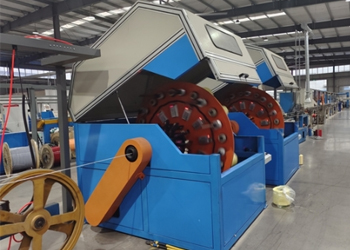 Production Base
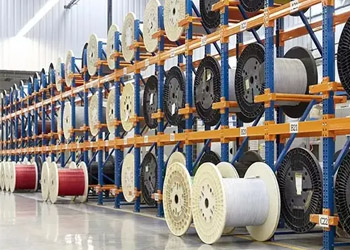 Warehouse & Logistics
 Quality
 FAQs
FAQsA Comprehensive Overview of Underwater Fiber Optic Cables
Underwater fiber optic cables can be classified into various types, including armored, unarmored, repeatered, unrepeatered, and specialized cables based on their intended environment and purpose.
Armored fiber optic cables provide an additional layer of protection and are used in harsh or rocky areas. Unarmored fiber optic cables are less expensive and suitable for calmer, deeper waters, and they need careful upkeep.
Repeatered systems amplify signals over continents, while unrepeatered systems cover shorter routes and cut project costs.
Specialized submarine fiber optic cables for scientific research and energy transmission play an important role in advancing technology and innovation around the globe.
From telegraph to fiber optic cables, it transformed global communication, making international connectivity faster, more reliable, and vital to economic growth.
For resilient and secure global networks, overcoming deployment obstacles, safeguarding cables against emerging threats and committing to maintenance and innovation are key.
Underwater fiber optic cables vary by type and can be classified as single-mode or multi-mode, armored or non-armored, and repeatered or unrepeatered. These cables lie on the seabed to connect continents and deliver massive volumes of information between nations. Single-mode cables function optimally across long distances, whereas multi-mode cables are utilized over shorter routes. Armored cables include additional layers to protect against damage from rocks or fishing, and non-armored cables are lighter for deep-sea deployment. A few cables utilize repeaters to amplify signals across thousands of kilometers, while others function repeater-free for shorter connections. Understanding the types assists in selecting the appropriate cable for each ocean path. The bulk below will dissect how each cable meets worldwide demands.

What are the types of underwater fiber optic cables?
Underwater fiber optic cables are available in various shapes and sizes, made to suit diverse tasks and locations. They run under seas and oceans, connecting continents, islands, and coastal regions. There are several main types like transoceanic, transcontinental, and regional cables, all varying in length and purpose. Beneath the surface, their primary distinctions are in their construction, protective sheaths, and approach to data transmission over long distances. Some depend on repeaters to maintain signal strength, while others are more straightforward and perform well over shorter distances. The cable you pick impacts more than just performance; it impacts cost, durability, and maintenance requirements.
1. Armored Fiber Optic Cables
Armored fiber optic cables employ steel wires or metal tapes to protect the inner fiber against brutal dangers such as anchors, fishing gear, and rocky seabeds. This rugged exterior contributes weight and bulk and enables the cable to withstand abrasion in vulnerable locations where the risk of injury is great. You’ll commonly find armored cables on steep inclines, in close proximity to shores, or over craggy regions of coral or stone.
Armored cables are more expensive to construct and deploy than lighter cables. The increased toughness translates into fewer maintenance and outage events. Their thick shell means fewer faults and a longer working life, making them a smart pick for tricky jobs.
2. Unarmored Fiber Optic Cables
Unarmored fiber optic cables are lighter and easier to manipulate. They ditch the heavy metal armor and go with only standard layers to shield the fiber. This makes them cheaper and quicker to lay, a bonus for easy, sandy seabeds where dangers are minimal.
They sparkle where budgets are lean or the seabed is soft. These cables are susceptible to harm if struck by fishing or ship anchors. Maintenance is harder if a break occurs, since deep-water repairs require both time and expertise.
3. Repeatered Systems
Repeatered systems employ special devices known as repeaters to amplify faint signals throughout the cable. Located at intervals, these repeaters capture the optical signals and boost them back to full strength, enabling information to cross oceans without degradation.
This tech allowed us to dispatch signals quickly and distinctly across thousands of kilometers, ideal for transoceanic tasks. Repeaters are costly and require maintenance. If one does fail, repairing it is both time-consuming and costly, as repair crews have to hoist the cable from the deep sea.
4. Unrepeatered Systems
Unrepeatered systems eschew the repeaters, instead depending on powerful lighting in the front and sensitive receivers in the back. These are ideal for short hops across bays, between islands, or along coasts.
With no need for repeaters, the cable is simpler, lighter, and less expensive. The cons are range because the signal diminishes after a few hundred kilometers, so they cannot cross oceans. A lot of high-traffic areas utilize unrepeatered cables for local connections, such as the Mediterranean or Baltic Sea.
5. Specialized Cables
-
Submarine power cables move electricity underwater, often for offshore wind farms.
-
Research cables carry data and power to ocean sensors for climate or seismic study.
-
Hybrid cables combine fiber optic lines with power wires for oil rigs or remote islands.
-
Defense cables are secure lines made for military use or government projects.
All these cables commonly utilize bespoke designs with additional shielding, specialized coatings or embedded sensors. Their part is crucial in new tech, science, and even the green energy surge. One example is the North Sea Link, a cable that transmits renewable power between Norway and the UK, combining both power and data fibers in one.
The evolution of undersea communication
Undersea communication transformed global connectivity. It evolved from copper wires to high-speed fiber optics. Cable technology has raced ahead, defining the architecture of international cooperation and the flow of ideas.
Telegraph Era
The original undersea telegraph cables date back to the 1850s. In 1851, a cable across the English Channel connected Britain and France. These copper wire cables wrapped in gutta-percha enabled messages to be transmitted between nations for the first time. Not long after, the first transatlantic cable was laid in 1866, running over 3,000 miles from Ireland to Newfoundland. It transmitted only a few words a minute, but even that was a great advance in those days.
Technical issues were pervasive. Water leaks, cable breaks, signal loss everywhere. It took weeks for repairs. Yet by the 1920s, over 20 cables crossed the Atlantic, weaving a web of worldwide connections. These telegraph lines allowed governments, traders, and families to stay in communication and paved the way for improved means of conversing across the ocean.
Coaxial Age
Cables switched from copper to coaxial in the early 20th century. Coaxial cables could carry more calls simultaneously and transmit voices much farther without sound degradation. Repeaters, which amplified signals along the route, helped make these cables even better for long distance conversations. This translated to crisper and speedier intercontinental calls.
These adaptations extended the reach to more countries and brought the telephone to regions that had previously relied on telegraphs. Coaxial cables simplified the addition of lines as the demand increased. The foundation of this technology allowed us to leap to fiber optics later.
Optical Revolution
Fiber optic cables arrived in the 1980s and transformed everything. They transmit light, not electricity, so they can transmit significantly more data, much faster. Unlike the old cables, they repel water and signal loss and require less upkeep. Flagship endeavors such as TAT-8, the very first fiber-optic cable spanning all the way across the Atlantic, established that these cables were the future.
Today, cutting-edge cables such as MAREA shuttle data at speeds of up to 224 terabits per second, enabling the internet on a global scale. They are thousands of kilometers in length and require specialized ships to lay them down. They link millions, fuel commerce, and enable us to exchange thoughts in fashions that the innovators of yore could only fantasize about.
How are submarine fiber optic cables constructed?
While submarine fiber optic cables connect continents and transmit virtually all global data, their construction is a mix of vintage and cutting-edge. The process requires solid engineering, rigorous standards and international cooperation. Every step from design to sea burial is for cables that last decades deep under the ocean.
-
Seafloor mapping: Survey ships chart the ocean floor to find safe routes while avoiding hazards like underwater volcanoes or trenches.
-
Cable design: Engineers select materials and layer the cable. The core contains copper or optical fibers, which are wrapped by gutta-percha or advanced plastics, with iron or steel wires on the outside.
-
Manufacturing: Factories build the cable in huge lengths, checking every meter for flaws. Additional layers are applied for durability and protection against pressure and salt.
-
Spools of cable are loaded onto special cable-laying ships, sometimes over 2,000 kilometers at a time.
-
Laying the cable: The ship slowly moves along the mapped route, laying cable on the seabed. For additional protection, in shallow regions, the cable is plowed into the ground.
-
Testing and repairs: After laying, engineers test the cable, fixing any breaks or weak spots. Some regular inspections keep it going for decades.
Engineering standards inform each such task. Absent them, cables are prone to premature failure. Contemporary standards emphasize performance and safety, and standards updates keep pace with new threats such as increasingly powerful ocean currents.
Technology continues to advance the build of cables. Old cables used India rubber and gutta-percha. Now, advanced plastics and steel help make cables lighter, stronger, and longer-lasting. Fiber optics, swapping out copper, enable increased data and less signal loss.
This work demands international collaboration. Ship crews, engineers, scientists, and governments all join forces. How are submarine cables made? The end product is a network that sustains the world’s digital existence.
Core Components
Submarine fiber optic cables consist of several major components. At their core, glass optical fibers transmit information as pulses of light, allowing billions of messages to zip across continents every second. These fibers are delicate, so they nestle inside a core of durable materials.
The majority of the cable is composed of a copper or fiber optic core, wrapped with layers such as gutta-percha, a natural latex. Today, there are stronger plastics in cables. Steel wires or Kevlar, which serve as strength members, surround the core. They prevent the cable from snapping as it is laid or struck by underwater currents.
Why cable design is important. It strikes a balance between flexibility and strength, allowing cables to bend with the contours of the seabed without snapping. This design protects the core from pressure, salt, and even inquisitive sea creatures.
Protective Layers
A cable’s existence beneath the waves is a hard one. The outer layer is thick, sometimes steel wire, to protect against rocks or anchors. Then comes waterproofing. Old cables had India rubber. Today, plastic and tar keep the water out.
Most cables have a copper or aluminum shield to block interference from the Earth’s magnetic field. Inside, additional steel or Kevlar wraps provide strength. These layers help cables withstand the pressure of crushing and shifting sands.
Protection doesn’t stop with layers. In shallow water, cables are submerged with sea plows. This protects them from fishing trawls and ship anchors. Further down, where the danger is less, cables rest bare on the ocean floor.
These shields make cables last longer. Each layer and burial step aids cables in staying up and operating for a long time, decades even, in some harsh oceanic locations.
Material Science
Material science reshapes cables every 10 years. Glass fibers transmit far more data with far less loss. Old cores were copper, but glass is lighter and less vulnerable to corrosion. New plastics and steel alloys resist damage from salt and marine life.
Insulation has come a long way. In place of gutta-percha, modern cables use polyethylene or other plastics. These prevent water ingress and reduce attenuation. Armor materials, once plain steel, are now special blends that increase strength without added weight.
Maintenance research keeps cables one step ahead of trouble. Labs innovate new coatings and fibers to endure deeper waters and larger data volumes. Each upgrade signifies more dependable and higher-speed links across the globe.
Deployment and maintenance challenges
To be sure, it’s not easy to deploy underwater fiber optic cables. It requires strategic deployment, dedicated teams and smart technology to join the continents. It’s a lengthy, involved process that frequently requires months or even a year to complete just one project. The cables span thousands of miles of ocean floor, which means each and every phase needs to be executed properly in order to maintain a robust network.
Installation Process
The initial step is planning the cable’s course — mapping the seabed and selecting the path of least risk. Once accomplished, a cable ship is stocked with giant spools of fiber optic cable. This procedure can take weeks. These ships employ heavy machinery to delicately deploy cable at a consistent pace of roughly 100 to 200 kilometers daily. Deployment and maintenance are the hard parts. If the cable is too loose or too tight, it might become damaged or cause signal loss further down the line.
The sea isn’t always smooth. Weather, currents, and underwater terrain can bog down or create new issues. In locations such as the Arctic, frozen waters can render installation effectively impossible for months on end. That’s why engineers need to monitor conditions and modify plans accordingly.
Repair Operations
When a cable snaps, it’s time to run. Special repair ships strike out to the scene with locator equipment and cable-lifting tools. Tracking down the precise point of damage is hard because the cables might rest thousands of meters below the surface. Once located, the crew pulls up the cable, repairs it and drops it back down. Prompt repairs keep internet and phone services up and running.
Occasionally, such as when storms or earthquakes strike, many cables can be damaged simultaneously, which compounds the difficulty. Quick action minimizes outages, which is important for organizations and individuals that depend on the web.
Environmental Factors
A lot of stuff out there in nature can damage submarine cables. Here’s a quick checklist:
-
Earthquakes: Can snap or move cables, breaking the connection.
-
Fishing and anchoring: Human activity can drag or cut cables by mistake.
-
Deep-sea currents: Strong flows may shift cables out of place.
-
Temperature changes: Extreme cold or hot areas can stress the cable's structure.
-
Marine life: Some animals may damage cables by biting or rubbing against them.
Before deploying cables, teams research the ocean to identify these hazards. Environmental reviews assist in identifying safe routes and minimizing impact to marine wildlife. Sustainability matters because taking care of the ocean helps these cables last and function even longer.
-
Examples of helpful technologies: * Remote Operated Vehicles (ROVs) for cable inspection and repair.
-
Dynamic positioning systems for ships to hold steady.
-
Real-time monitoring sensors to track cable health.
-
Armored cables for rough or risky seabed areas.
-
What are the modern threats?
With submarine fiber optic cables being the backbone of internet and data exchange worldwide, their importance makes them a target for a variety of modern threats, both physical and digital. These threats can upend millions of economies, security, and day-to-day communication.
| Threat Type | Impact | Mitigation Strategies |
|---|---|---|
| Physical Damage | Cable breaks, data loss, slowdowns, costly repairs | Rerouting, cable armoring, monitoring, rapid repair ships |
| Cyber Espionage | Data theft, eavesdropping, exposure of sensitive info | Encryption, network segmentation, cybersecurity protocols |
| Geopolitical Tension | Restricted access, sabotage, trade disputes, strategic vulnerabilities | Diplomatic agreements, backup routes, international laws |
Physical Threats
Fishing trawlers, shipping anchors and coastal construction are the biggest culprits of cable faults, accounting for more than 70% of incidents. When a ship drops anchor or trawls nets in cable zones, it can snap or drag the fiber, causing outages. Natural disasters, such as earthquakes and undersea landslides, can snap cables in deep water, although these are a lot rarer.
Cable breaks regularly disrupt and sever global communications, with impacts for finance, trade, and emergency services. Sometimes, even whole countries go offline for hours or days.
To reduce risk, companies install armored cables near shore and GPS track their ships. Surveillance and quick fix crews stand ready. The world depends on a handful of repair ships, many Chinese-owned. If access is denied during geopolitical tension, cables can remain unrepaired for extended periods.
A Baltic Sea event highlights how underwater cables can be sabotaged or harmed unintentionally, with Sweden and Estonia's connection disrupted simultaneously as a proximate gas pipeline.
Cyber Espionage
States would be focused on undersea cables to tap into the massive data flowing between continents. Even the repair and maintenance process itself, particularly in the Pacific, introduces a threat. China’s Communist Party, for instance, could infiltrate during such intervals.
Stolen data could reveal personal, business, or government secrets. This raises cable security from a technical concern to a national security concern. Robust encryption, segmentation, and continuous monitoring assist, but the danger is ever present.
Global collaboration is crucial. When countries share intelligence and standards, it becomes more difficult for attackers to leverage vulnerabilities. Given the global reach of these cables, all of us need to remain vigilant.
Geopolitical Leverage
Why do countries use cable routes to get a strategic advantage? Command of cables translates into command of information. Russia, for instance, has openly signaled a willingness to capitalize on cable weaknesses as a bargaining chip against the West.
Ownership and control ignite among them over access and control. China’s claim to the South China Sea has blocked new cable routes, while choke points in the South China Sea and Red Sea make these spots particularly sensitive.
Submarine cables affect international relations, trade, and security. Their governance defines worldwide regulations for digital flows, and rivalry can stoke hostilities, particularly if a nation censors or threatens cyber-sabotage.
The unseen economic lifeline
Submarine fiber optic cables are the true economic lifeline. They transport almost all global web traffic, connecting continents and nations and enabling today’s commerce, banking, and communication. These cables stretch thousands of kilometers and rest at the bottom of the ocean. They silently sustain our world’s connection. We’ll never meet most of them, but you’ll find their influence everywhere — from e-commerce in Europe to remote health care in Africa and stock trades in Asia. Without them, email, video calls, and international banking would drag to a crawl or cease.
Few people realize how much submarine cables are the unseen economic lifeline of world trade and commerce. Whenever a company mails contracts out, a bank transfers money overseas, or a corporation shares data with collaborators in a foreign land, these cables are operating. They facilitate trillions of dollars in transactions every day. For instance, one cable connecting North America and Europe can manage millions of calls, video streams, and data transfers simultaneously. Undersea cables are designed to endure, typically lasting twenty years or beyond, yet they remain vulnerable. Hurricanes, earthquakes, and even ships can accidentally damage and break them. With global trade expanding, the strain on these cables just increases.
These cables don’t just help businesses. They help people everywhere get lightning speed access to information and services. Be it a South American student taking an online course or an Asian small business selling to Europe, submarine cables enable it. New cable installation is slow, taking months or even a year, because laying cables on ocean floors is difficult work. The cables are vulnerable to sabotage, terrorism, and even state-backed attacks. One slash may bring on slashes everywhere, with consequences across the globe.
Data demand is only increasing. Netflix, AWS, and the new economy call for more data undersea. To keep up, new cables are on the drawing board, and improved security is essential. Technologies such as fiber-optic sensing can monitor for risks in real time, enabling problems to be detected and halted before they propagate.
Conclusion
Types of underwater fiber optic cables. They stretch for thousands of kilometers under the sea. These are the types of underwater fiber optic cables that shift massive data rates every second. Ships, machines, and crews of experts deploy and repair these lines. Weather, deep water, and even sea life can cause issues, and people solve them. These cables facilitate commerce, conversation, and connection of people in all nations. Consider how fast we can text or watch a flick. All of it depends on these powerful, secret lifelines. If you want to keep up on new tech, watch these cables evolve. The undersea cable tale gets bigger. Keep wondering and discover what the next chapter will unveil.
Frequently Asked Questions
What are the main types of underwater fiber optic cables?
There are two main types: repeatered and unrepeatered cables. Repeatered cables have signal boosters every few dozen kilometers, which allows them to extend for thousands of kilometers. Unrepeatered cables have no boosters and tend to be several hundred kilometers long.
How do underwater fiber optic cables transmit data?
These cables utilize light pulses to transmit digital signals across glass fibers. The light travels between the fibers, allowing for fast, dependable data transfer between continents.
Why are repeaters important in submarine cables?
Repeaters amplify the optical signal every 50 to 100 kilometers. This keeps the signal potent across vast ocean distances and avoids degradation.
What materials protect underwater fiber optic cables?
The cables are encased by layers such as steel wire, waterproofing, and polyethylene. These layers protect against water, pressure, and physical damage from the ocean.
How are submarine cables deployed underwater?
Specialized ships install the cables on the sea floor. It’s a carefully orchestrated process designed to circumvent danger and guarantee consistent operation for years to come.
What are common threats to underwater fiber optic cables?
Threats range from fishing, ship anchors, natural disasters, and intentional sabotage. These can sever cables and interrupt global communications.
Why are underwater fiber optic cables vital to the economy?
They’re responsible for more than 95% of international data. These secure and reliable cables facilitate global business, finance, and communication and underpin economies around the world.