
 Optical Fiber
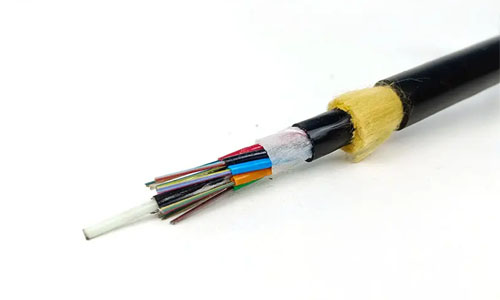 ADSS Fiber Optic Cable
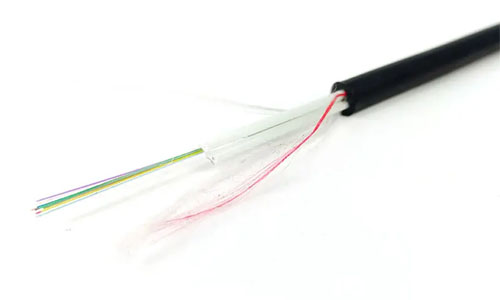 ASU Fiber Optic Cable
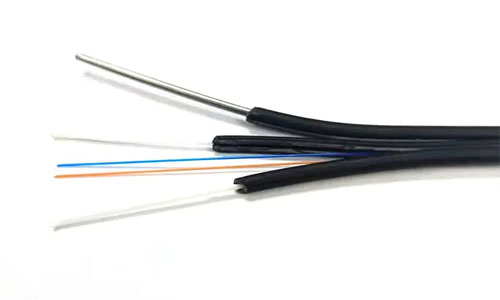 FTTH Fiber Optic Cable
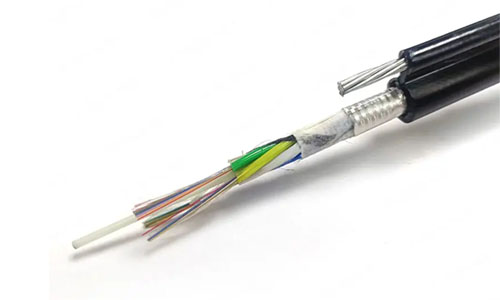 Figure 8 Fiber Optic Cable
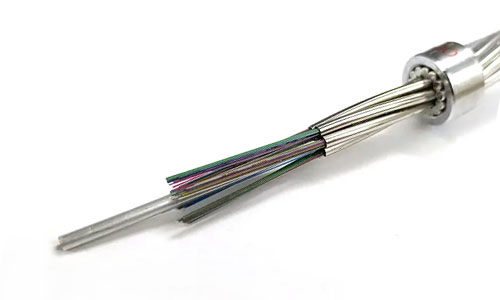 OPGW Fiber Optic Cable
 Coaxial Cable
 Ethernet Cable
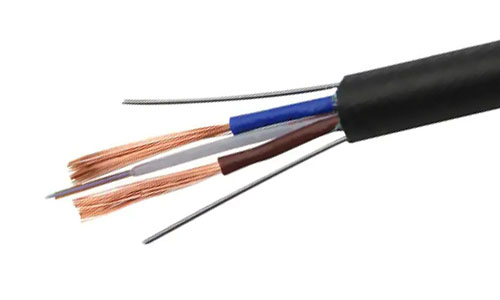 Photoelectric Composite Fiber Optic Cable
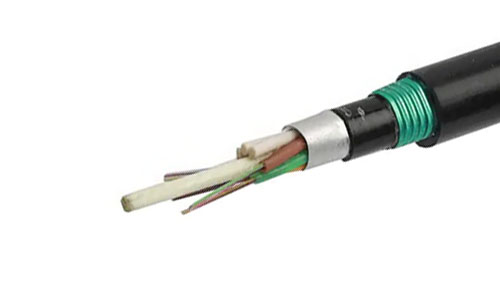 Underground & Pipeline Fiber Optic Cable
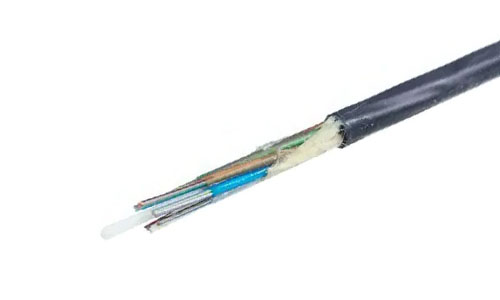 Air-Blown Micro Fiber Optic Cable
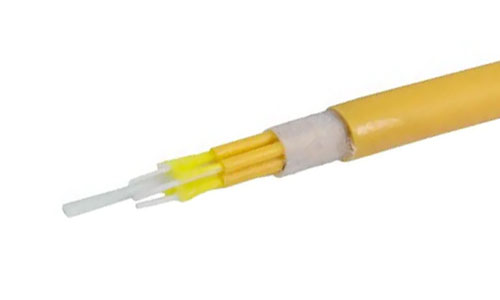 Indoor Fiber Optic Cable
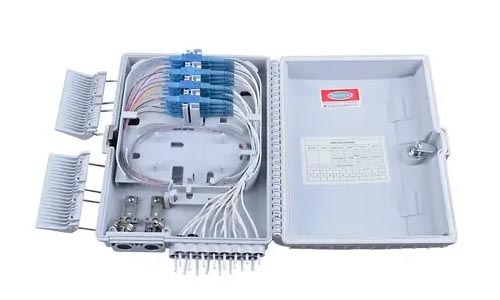 Fiber Optic Distribution Box
 Multiport Service Termina Box
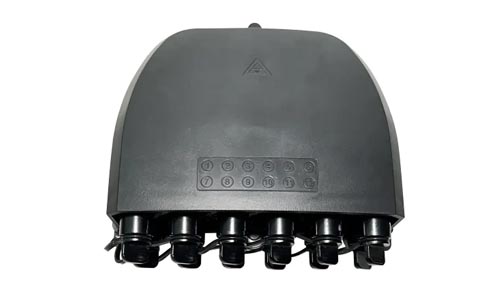 Fiber Optical Terminal Box
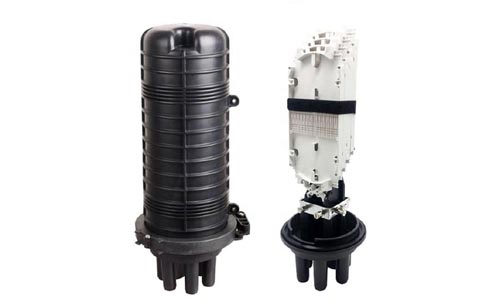 Fiber Optic Splice Closure
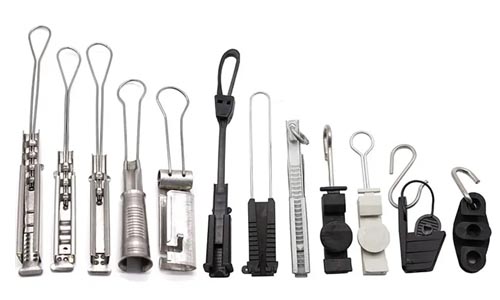 Fiber Optic Clamps
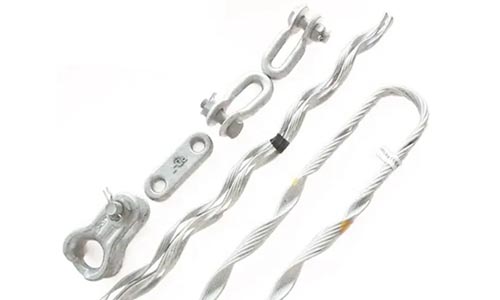 Fiber Optic Cable Fittings
 ADSS Fiber Cable
 ASU Fiber Cable
 OPGW Fiber Cable
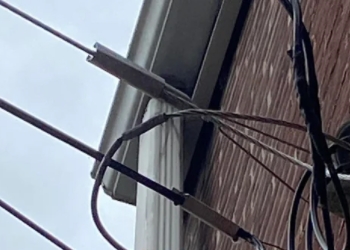 FTTH Fiber Cable
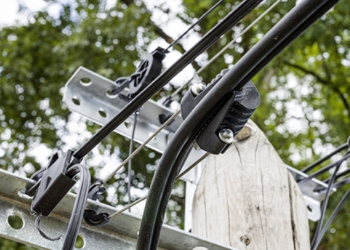 Figure 8 Fiber Cable
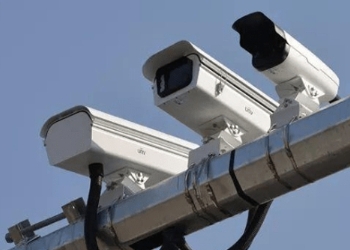 Photoelectric Composite Fiber Cable
 Underground & Pipeline Fiber Cable
 Air-Blown Micro Fiber Cable
 Aerial Fiber Cable
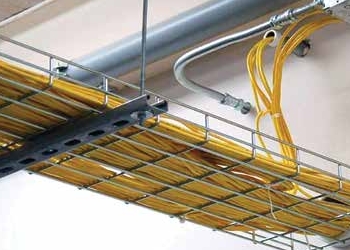 Indoor Fiber Cable
 Fiber Optical Terminal Box
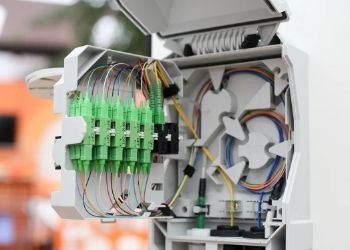 Fiber Optic Distribution Box
 Multiport Service Termina Box
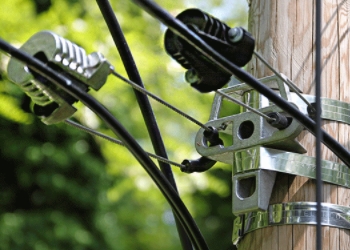 Fiber Optic Clamps
 About Us
 Our Team
 History
 R&D Strength
 Production Base
 Warehouse & Logistics
 Quality
 FAQs
FAQs2.4 GHz vs 5 GHz: Key Differences & Which One to Choose?
Contact for Free Quotation & Sample, According to your needs, customize for you.
inquiry now2.4 GHz vs 5 GHz: Key Differences & Which One to Choose?
If you live in a larger home or one with thick walls, 2.4 GHz might be the better choice. Consider your home and the way you use the internet, too, when deciding!
The 2.4 GHz band has a greater range and better wall penetration. This increased range is what makes it ideal for bigger homes or older constructions that need their signals to go further.
The 5 GHz band provides faster speeds and less interference, perfect for streaming, gaming, or busy apartments where many devices compete for airwaves.
With dual-band routers you get the best of both worlds. They allow your devices to automatically connect to the best band for the task at hand!
For the best performance and reliability, consider locating your router in a central location, out in the open. If you have some especially difficult nooks or crannies—or maybe even a backyard to accommodate!
Always check your compatibility with 2.4 and 5 GHz! Always keep your router’s software updated to ensure you’re taking full advantage of your Wi-Fi setup.
There are two main bands used for Wi-Fi, 2.4 GHz and 5 GHz. They assist people in selecting the best speed and range for their home internet needs.
2.4 GHz gives a longer range but a bit slower speed, while 5 GHz works faster but covers less ground. Thick walls and a lot of technology in American homes can wreak havoc on the signal.
So, the key to selecting the right band lies in where you primarily use your devices. In urban areas or crowded homes, the 5 GHz signal can really make a difference. However, it can lose signal in distant rooms.
In larger homes or multi-story older structures, 2.4 GHz may penetrate every nook and cranny better, but could face more congestion. The following sections further explain these differences and guide you to determine which option is best for you.

What Are Wi-Fi Bands Anyway?
Wi-Fi bands are the frequency ranges wireless networks operate on and use to transmit data. In American households, you’ll most commonly see bands at 2.4 GHz and 5 GHz. On top of that, 6 GHz is starting to show up in new equipment!
Each band has unique characteristics that affect what your internet is like at home or in the office. These bands work like roads: some are wide and speedy, others are narrow but stretch farther. Which one best suits your life, however, will really come down to what matters most to you—speed, range, or some combination of the two.
Understanding 2.4 GHz: The Old Reliable
One thing the 2.4 GHz band is famous for is going the distance. It travels further and penetrates signals through concrete walls. It can blast right through thick old brick or heavy wood doors common in many American homes.
People are using it for basic web surfing, smart home devices, or legacy devices like printers. It’s the workhorse for environments with many different rooms or when you need Wi-Fi out in the barn.
Its widespread adoption comes with increased congestion. This band is used by microwaves, cordless phones, and baby monitors. This is why you may find Wi-Fi slowing down or completely dropping connections at peak times.
Exploring 5 GHz: The Speedy Newcomer
The 5 GHz band offers less interference and higher speed options. It’s ideal for watching 4K movies, online gaming, or video conferencing on Zoom. With fewer gizmos jamming up this band, you experience a more reliable connection.
However, 5 GHz doesn’t go as far or penetrate walls as well. It really excels in situations like apartments or open floor plans where your devices are always near the router.
How Bands Impact Your Daily Surfing?
The band you choose determines what you experience online. 2.4 GHz gets you surfing from the attic to the garden—the only downside is the delay.
5 GHz speeds things up for online gaming and HD streaming but you’ll have to camp out near the router. If your home is crammed with smart devices, band-steering may provide the most effective middle-ground.
2.4 GHz vs 5 GHz: The Showdown
Home Wi-Fi in the United States is characterized by the fight between the 2.4 GHz and 5 GHz bands. Which setup is best for you will depend, but it all starts with knowing this important distinction. People might think they need more speed, more distance, or simply a more reliable connection.
Here’s a quick table that sums up the core differences:
| Feature | 2.4 GHz | 5 GHz |
|---|---|---|
| Max Speed | Up to 300 Mbps | Up to 1.3 Gbps |
| Typical Speed | ~10 Mbps | Up to 250 Mbps |
| Range | Up to 150 ft | Up to 90 ft |
| Wall Penetration | Strong | Weaker |
| Common Use | IoT, browsing | Streaming, gaming |
| Interference | High (microwaves, etc.) | Lower, but still present |
1. Speed: How Fast Can You Go?
Winner Speed 5 GHz—The 5 GHz band provides faster speeds—up to 1.3 Gbps in theory! In real life, the average user only gets speeds around 250 Mbps. This turns it into a go-to band for gaming, HD or 4K streaming and video calls.
As for the 2.4 GHz band, its maximum speed is only around 300 Mbps. In actual residential deployments, that success rate sometimes falls as low as 10 Mbps due to network congestion and interference. True speeds will vary based on your router, device, and network congestion.
2. Range: Reaching Every Corner
A 2.4 GHz signal can reach throughout a home within a range of 150 feet. This range makes it perfect for extending over to yards or garages! The 5 GHz band typically falls off past 90 feet, failing to cover the outer reaches of most big houses.
If you have very thick walls, 2.4 GHz usually performs better.
3. Interference: The Signal Scramble
2.4 GHz has even greater interference—microwaves, baby monitors, and your neighbors’ Wi-Fi conspire against this band. The 5 GHz band is indeed less crowded, but still experiences the squeeze in large apartment complexes.
When it comes to streaming and gaming, less interference equals a much better experience.
4. Obstacles: Conquering Walls and Floors
In older homes where brittle materials like thick brick or concrete exist, 2.4 GHz weaves through walls and floors with more ease and less loss. 5 GHz tends to fall off dramatically once it encounters obstructions.
In a split-level home, for example, range extenders or mesh Wi-Fi will ensure both 2.4 and 5 GHz bands reach each room.
5. Latency: The Gamer’s Edge
Latency is the time it takes before data actually transfers—critical for gaming or video calling. 5 GHz generally has lower latency, providing gamers a competitive advantage.
For practically all real-time applications, 5 GHz is the clear choice.
Pick Your Perfect Wi-Fi Band
Select the Best Wi-Fi Band It’s one of the most important factors in day-to-day internet use. First, understand that each band, 2.4 GHz and 5 GHz, has its own advantages and disadvantages. Here are a few things to think about before you decide:
-
Size and shape of your home
-
Distance between router and devices
-
Number of walls and floors in the way
-
Types of devices you use
-
Internet habits: streaming, gaming, or just browsing
-
Device compatibility with either band
Consider what all you do online. Live in a large home? Do you have a lot of legacy devices? Or are you looking for fast speed with a strong connection for gaming and streaming? Each of these is important.
When 2.4 GHz Is Your Best Bet?
When 2.4 GHz Is Your Best Bet 2.4 GHz is the better choice in larger homes, or if your router is placed farther from your devices. This is because this band penetrates walls and floors like butter! Super helpful if you live in a house with stone walls or a lot of separation.
It accommodates legacy devices that don’t support 5 GHz. If your internet needs involve mostly light activity like browsing, checking emails, or using smart home devices, 2.4 GHz provides reliable coverage, even at slower speeds.
Why 5 GHz Wins for Heavy Use?
Whether you’re gaming, HD streaming, or video calling — 5 GHz is the clear winner. It provides broader coverage. It helps improve speeds—up to 250 Mbps—and reduce lag.
It’s only advantageous when you’re close to the router, such as in an apartment or open floor plan. Fewer devices operate on this band, which means less congestion.
Your Home's Layout Matters Greatly
Many walls or ceilings can bring 5 GHz to a crawl. Take note of the obstacles between your router and your main areas of use. When in doubt, test both bands out to find out which works better for you.
It’s often a case of splitting your devices across both bands.
Gadgets Galore: Device Needs
Many devices like phones, laptops, and smart TVs perform better on 5 GHz. Legacy printers, smart plugs, or other devices might be 2.4 GHz only. See what your devices are capable of using.
Even with dual-band routers, you can allow each device to choose the optimal match.
Streaming vs. Browsing: Usage Counts
If you primarily use high-definition streaming and gaming that require higher speeds, choose 5 GHz. For legacy devices or simply browsing the internet, 2.4 GHz is sufficient.
Combine and choose, according to how you use Wi-Fi the most.
Dual-Band Routers: Get Both Worlds
Dual-band routers offer you the best of both worlds—the long range of 2.4 GHz and the high speeds of 5 GHz. These devices provide residences and SOHO users increased flexibility, reduced frustration, and an overall improved online experience.
With dual-band, you have a network that accommodates every type of device and usage.
| Benefit | 2.4 GHz Band | 5 GHz Band | Dual-Band Router |
|---|---|---|---|
| Range | Longer | Shorter | Covers more ground and thick walls |
| Speed | Slower | Faster | Balances speed and reach |
| Interference | More (crowded band) | Less (more channels) | Cuts down on lost signals |
| Device Compatibility | Most devices | Newer devices | Supports old and new gadgets |
| Best Use | Browsing, IoT | 4K streaming, gaming | Handles all types of online tasks |
Dual-band routers allow you to connect to both bands simultaneously. Other devices have to stick to 2.4 GHz for increased coverage—imagine smart plugs and security cameras in concrete-walled Marrakech residences.
Others, such as laptops and televisions, rely on 5 GHz for seamless movie watching or online gaming. Automatic band steering is another useful feature, automatically shifting devices to the optimal band without you ever knowing it.
Now you don’t have to guess which one is better.
The Magic of Dual-Band Technology
Dual-band technology brings serious muscle to your network. With band steering, the router automatically selects the best band for each connected device.
This prevents congestion and increases your enjoyment, even with a dozen devices connected. In today’s homes—where every phone, tablet, and smart fridge require Wi-Fi—dual-band ensures there are no hiccups.
Smart Tips for Dual-Band Setups
Give a unique name (SSID) to each band. Remember that the two bands are essentially two different networks.
From now on, you can just tell your phone to use 5 GHz for work video calls. In the background, keep your printer on 2.4 GHz only.
So just be diligent about checking for updates at all times. Router manufacturers regularly patch bugs and improve performance with firmware updates. That’s a simple victory for improved Wi-Fi.
Why Your Router Might Auto-Switch?
Auto-switching is a secret, built-in method. Your router automatically determines which band is ideal for your device and switches it to that band.
As you move from the patio, where 2.4 GHz shines, to the living room, where 5 GHz is dancing, your laptop smoothly transitions.
It rides right along without losing the call or slowing down! This prevents interference, maintaining a fast and reliable network wherever you are in your house.
Deeper Dive: Advanced Wi-Fi Insights
Wi-Fi isn’t simply the matter of choosing 2.4 or 5 and calling it a day. More tech-savvy users know the in-and-outs of how Wi-Fi works. This kind of knowledge can be the difference between binge-worthy streaming and perpetual buffering!
Here’s a look at advanced Wi-Fi insights that can help you fine-tune your connection:
-
The 2.4 GHz band has greater range and wall penetration.
-
The 5 GHz band offers more channels, higher speeds – up to 1 Gbps – and less cross-talk.
-
6 GHz Wi-Fi is new and wide—up to 1200 MHz spectrum—with blazing 160 MHz wide channels.
-
Channel bonding increases speeds by aggregating 20 MHz channels into superhighways of data.
-
Conclusion DFS in 5 GHz allows your Wi-Fi to avoid radar interference.
-
Non-uniform channel widths across the higher bands can be a drag.
-
The 2.4 GHz band is usually a mess between Bluetooth and microwaves.
Channel Congestion: A Hidden Speed Thief
Channel congestion is when too many devices congest one Wi-Fi channel. This causes lost speeds and lag—particularly in crowded multi-family dwellings.
With multiple connections on overlapping channels, interference occurs, leading to dropped connections and decreased speed. Savvy consumers are now using Wi-Fi analyzer apps to identify congested channels and move to less crowded alternatives.
In the U.S., the 5 GHz band, thanks to its additional channels, usually avoids these bottlenecks.
Security Thoughts: Band vs. Safety
Whether you use a 2.4 GHz or 5 GHz band, make sure they both have a strong password and WPA3 encryption if available. These open or weakly secured networks are low-hanging fruit.
Regardless of the band, always stay on top of security settings—hackers don’t discriminate between speed or slowness.
US Airwaves: Local Channel Rules
Wi-Fi operates on government-established rules in the U.S. Channel availability is highly localized, and DFS channels can be blocked around airports.
Understanding your local channel list can save you a lot of legal and interference related headaches.
Outdoor Wi-Fi: Different Ballgame
Outdoor Wi-Fi is a different story, with range limitations and more severe signal drop-offs. While the 2.4 GHz band does distance well, 5 GHz excels at high-speed—if you’re near the transmitter.
Installing outdoor-rated access points or extenders will help keep your backyard or patio connected.
Wi-Fi's Future: What's on Horizon?
As you can see, Wi-Fi is a constantly evolving space. The transition from 2.4 GHz to 5 GHz was a clear indication of just how critical speed has become. Americans have grown accustomed to streaming their favorite shows, gaming online, and downloading massive files instantly.
That’s exactly why 5 GHz is so exciting! While it might not have the range of 2.4 GHz, its benefits are simply too compelling to overlook. 2.4 GHz isn’t going anywhere. Its long range makes it ideal for larger homes or buildings with dense construction.
New Wi-Fi standards
NEW Wi-Fi STANDARDS ON THE HORIZON They are faster, have greater range, and more intelligent control of all your devices in the house!
| Technology | Speed (up to) | Range | Key Benefits |
|---|---|---|---|
| Wi-Fi 5 (ac) | 3.5 Gbps | Medium | Fast for most homes |
| Wi-Fi 6 (ax) | 9.6 Gbps | Medium | Handles more devices, better battery |
| Wi-Fi 6E | 9.6 Gbps | Short (6GHz) | Less crowded, even faster |
| Wi-Fi 7 | 30+ Gbps | Medium | Low lag, best for future tech |
Enter Wi-Fi 6 and Newer Tech
Wi-Fi 6 (802.11ax) hit the scene with a bang, squeezing in more speed and tackling jam-packed networks. Wi-Fi 6 minimizes congestion and lets you avoid the lag with more available bandwidth, which is great if you have lots of smart devices.
That makes a big difference in your phone or tablet’s battery life over a full day on a single charge. Newer capabilities such as Wi-Fi 6E and Wi-Fi 7 add even more power, making newer standards ideal for future-proofing your home or business.
How Future Proofs Your Choice?
By choosing a dual-band or tri-band router, you’re prepared for the future. You reap the benefits of both 2.4 and 5 GHz while freeing up space for newer devices that use 5 GHz.
Staying current with Wi-Fi tech helps you get the most from your network and keeps you ready for whatever comes next—like better security and smarter network tools.
Conclusion
Choosing between 2.4 GHz and 5 GHz determines how you connect to the internet at home in the United States. Dense materials like old brick walls or thick concrete floors? 2.4 GHz penetrates better. Looking to get the highest speeds possible for gaming or streaming from one location? Time to give 5 GHz our full attention, because it runs laps around 2.4. What the average American uses Most people in America use both, switching back and forth as necessary. I was able to assist my cousin in San Diego recently with his lag by switching him over to 5 GHz—easy switch, but huge difference. Dual-band routers provide that simple toggle. Wi-Fi is constantly changing, as well, so stay tuned for more information. Have additional questions, or want to tell us about your own Wi-Fi victory? Leave a comment in the space below and get in on the discussion.
Frequently Asked Questions
What is the main difference between 2.4 GHz and 5 GHz Wi-Fi bands?
2.4 GHz penetrates walls and other obstructions, giving it a further effective range. In contrast, 5 GHz provides quicker speeds but less range. Select depending on the size of your home and internet speed requirements.
Which Wi-Fi band should I use for gaming or streaming?
Which Wi-Fi band should I use for gaming or streaming? With this, you get faster speeds and less congestion, resulting in a better overall experience.
Is 2.4 GHz better for large homes in Marrakech?
Yes. 2.4 GHz goes farther and penetrates obstacles better such as dense walls, which many older Marrakech houses have. That’s awesome if you need wider coverage.
Can my devices use both 2.4 GHz and 5 GHz bands?
If you have a dual-band router and most of your devices are relatively new, it should. How to choose which band to connect to You can manually connect to either band, depending on your needs and preferences.
Should I switch between bands for better Wi-Fi?
Yes. Use 2.4 GHz when you need more distance and coverage area. When you’re in rooms closer to your router, switch to 5 GHz for the quickest speeds!
Does 2.4 GHz have more interference in Morocco?
Yes. A lot of devices common in Moroccan homes operate on 2.4 GHz, such as microwaves and Bluetooth. This makes it potentially more prone to signal interference than 5 GHz.
Are dual-band routers available in Marrakech?
100% go for the dual-band router. These days, just about every electronics store in Marrakech stocks dual-band routers. They allow you to get the best of both 2.4 GHz and 5 GHz worlds.